
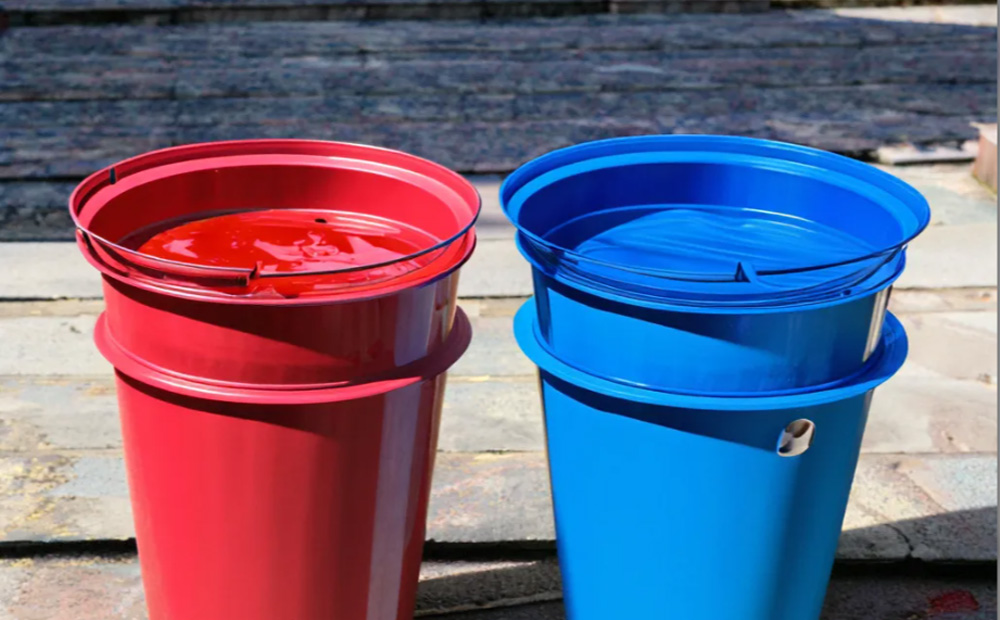
I. Basic Composition and Solvent
Water-Based Inks:
- The basic component is water.
- Water is used as a solvent, typically containing binders (such as resins), pigments, and additives.
- Binders are mainly divided into water-dilutable and water-dispersible types. The former can use various types of resins, such as alkyd resins, shellac, modified maleic resin, urethane, water-soluble acrylic resins, and water-based amino resins. Water-dispersible binders are formed by emulsifying monomers in water, resulting in a two-phase system where the oil phase is dispersed as particles in the water phase; although they cannot be dissolved in water, they can be diluted with water.
Oil-Based Inks:
- The basic component is oils, such as mineral oils or vegetable oils.
- Organic solvents (such as mineral spirits, acetone, toluene, xylene, industrial alcohol, etc.) are used as solvents.
II. Pigments and Resins
Water-Based Inks:
- Use water-based pigments, which have smaller particle sizes and are easier to disperse.
- Use water-based resins, such as acrylic resins and polyester resins.
Oil-Based Inks:
- Use oil-based pigments, which have larger particle sizes and are harder to disperse.
- Use oil-based resins, such as phenolic resins and polyurethane resins.
III. Drying Methods and Speed
Water-Based Inks:
- Typically dry through the evaporation of water from the ink layer.
- Drying speed is relatively slow, often taking several minutes or longer to fully dry.
Oil-Based Inks:
- Dried using oxidizers, ultraviolet light, or drying machines.
- Drying speed is relatively fast, usually drying within seconds to a few minutes.
IV. Environmental Impact and Health Effects
Water-Based Inks:
- Cause less environmental pollution and are easier to recycle and handle.
- Do not contain volatile organic solvents (VOCs), resulting in low VOC emissions.
- Wastewater treatment is relatively simple and does not cause water pollution.
- Dried waste ink and other waste materials are easier to handle and do not generate significant hazardous waste.
- Do not contain toxic or harmful substances, making them safe for human health.
Oil-Based Inks:
- Cause greater environmental pollution and are harder to handle.
- Contain a large amount of organic solvents, resulting in higher VOC emissions, which can lead to air pollution.
- If discharged untreated, they can pollute water environments.
- Dried waste ink and other waste materials require special handling; otherwise, they may pose environmental hazards.
- Contain volatile organic solvents and other harmful substances, which may affect human health.
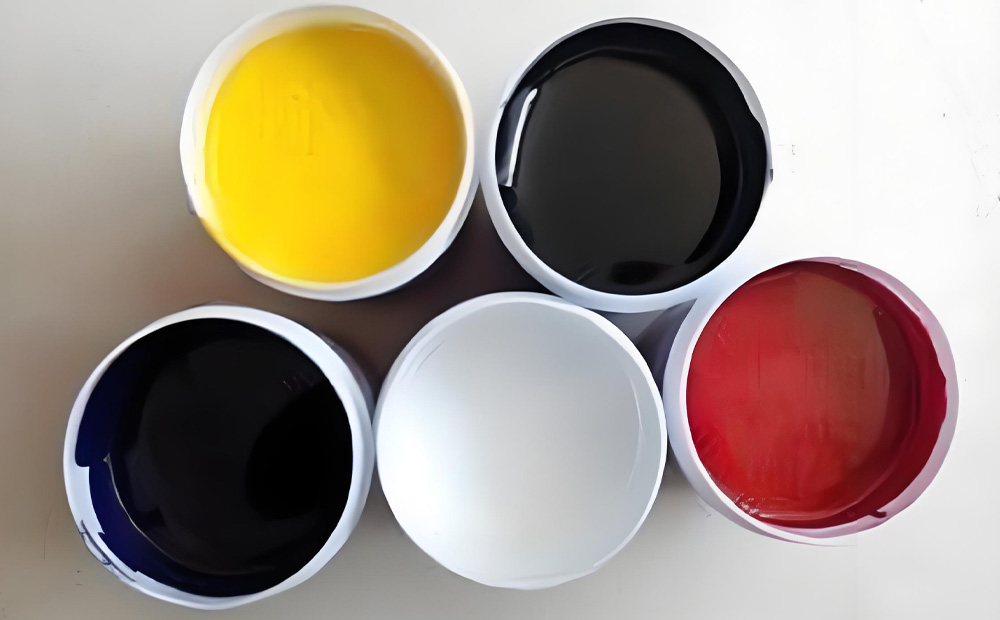
V. Printing Effects and Application Scenarios
Water-Based Inks:
- Do not produce odor or irritating smells during the printing process.
- Provide clear and bright printing effects, with relatively fast drying (though slower than oil-based inks), which can improve printing speed.
- Suitable for printing on various materials, including paper, plastic, and leather, meeting the needs of different fields.
Oil-Based Inks:
- Have higher viscosity, making them adaptable to various printing machines and materials.
- Can be used in various complex printing processes.
- Are less prone to fading and peeling, maintaining long-lasting brightness and color vividness.
- Suitable for long-term use in signage and advertising.
In summary, water-based inks and oil-based inks differ significantly in their basic composition, solvents, pigments and resins, drying methods and speeds, environmental impact and health effects, as well as printing effects and application scenarios. When choosing an ink type, it is essential to consider the specific usage conditions and needs comprehensively.
 StarColor Printing Ink
Leave a comment