
Does UV ink contain VOCs? Many people have doubts about this. From the formula, UV ink does not have VOCs, but a small amount of VOC emissions can be detected in actual printing testing. What is the reason for this?
The answer is additives, which are added to some extent during printing, leading to the generation of VOCs. Next, we will analyze in detail whether UV ink has VOC from the aspects of formula, additives, etc.
1. Formula
The basic components of UV ink include resins, pigments, photoinitiators, and other additives. Due to its curing method primarily relying on ultraviolet (UV) radiation rather than solvent evaporation, UV ink generally has lower Volatile Organic Compound (VOC) emissions.
Resins: UV inks typically use acrylic or polyurethane resins, which do not release significant amounts of VOCs during the curing process.
Pigments: Most pigments do not release VOCs during curing, but some may contain small amounts of organic solvents.
Photoinitiators: Photoinitiators are crucial components in UV inks, capable of initiating the polymerization reaction of resins under UV light. Certain photoinitiators may release small amounts of VOCs, especially at high temperatures or during incomplete curing.
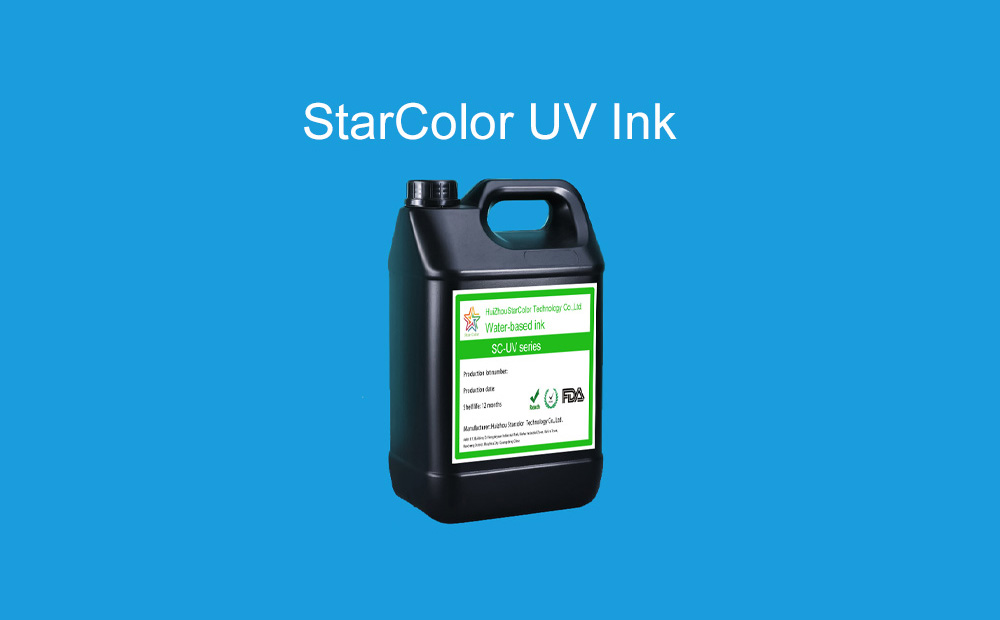
2. Additives
To improve the performance of inks, various additives such as leveling agents, dispersants, and stabilizers are often added. These additives may affect the VOC emissions.
Leveling Agents: Used to improve the fluidity and surface smoothness of inks, some leveling agents may contain volatile components.
Dispersants: Ensure the uniform dispersion of pigments, and certain dispersants may contain VOCs.
Stabilizers: Increase the stability of inks during storage, and some stabilizers may release small amounts of VOCs.
3. Printing Process
The UV printing process itself also impacts VOC emissions:
Curing Process: UV inks are rapidly cured through UV radiation, which means they have significantly reduced VOC emissions compared to solvent-based inks. However, incomplete curing may still result in the release of small amounts of VOCs.
Equipment and Environment: The configuration of printing equipment and environmental conditions (such as temperature and humidity) may also affect the curing efficiency of inks, thereby influencing VOC release.
4. Conclusion
Overall, UV inks generally have lower VOC emissions than traditional solvent-based inks. However, due to certain additives and the possibility of incomplete curing, UV inks may still release a certain amount of VOCs. When selecting UV inks, understanding the specific formula and additive components, as well as optimizing the curing process, can effectively reduce VOC emissions and enhance environmental performance.
 StarColor Printing Ink
Leave a comment