
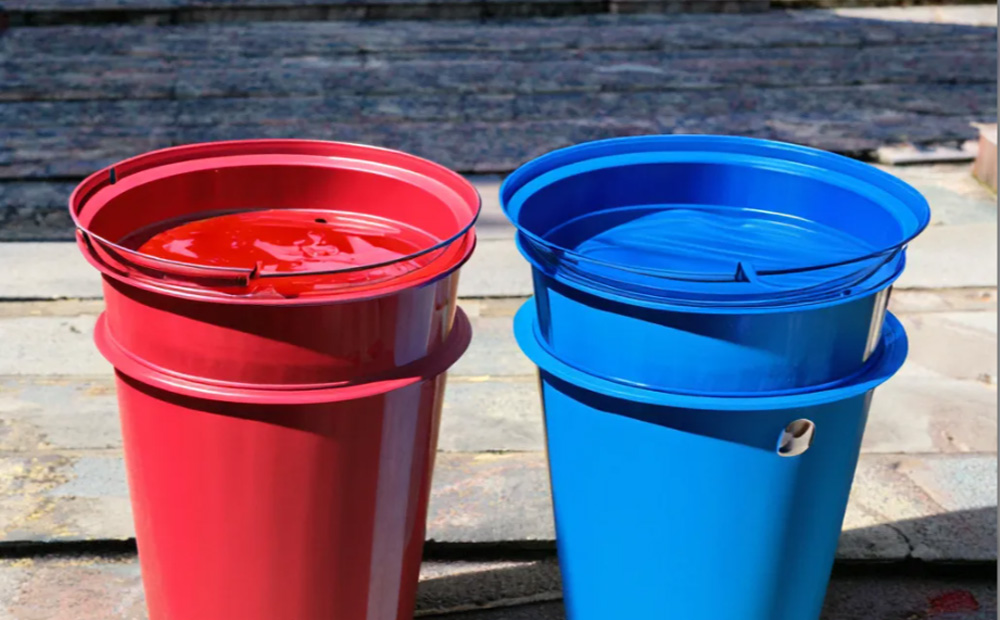
In the printing industry, water-based inks, as an environmentally friendly printing material, have been widely used in various printing processes, especially in screen printing and flexographic printing. Although both use water-based inks, there are certain differences in specific applications, characteristics, and requirements.
I. Material Composition and Basic Characteristics
Water-based inks are mainly composed of water-based resins, pigments, solvents, and additives through composite processing and grinding. Their basic characteristics are generally the same in both printing methods, including good adhesion, flexibility, elasticity, resistance to blocking, washability, etc. Additionally, water-based inks do not burn when exposed to fire, ensuring safe production. Since the solvent is water and a small amount of ethanol, water-based inks can significantly reduce VOC (Volatile Organic Compounds) emissions, complying with environmental protection requirements and posing no harm to human health.
II. Applicability and Printing Requirements
- Water-based Inks for Screen Printing
- Characteristics: Water-based inks for screen printing feature high solid content, vibrant colors, and excellent printing effects. Due to the use of water and a small amount of ethanol as solvents, the inks can be diluted with water, facilitating operations such as screen cleaning.
- Viscosity and Drying: In screen printing, the viscosity of water-based inks needs to be appropriately adjusted to ensure printing quality. The drying speed is relatively slow, requiring natural drying or baking to achieve the desired drying effect.
- Applications: Due to their environmental friendliness, safety, and good adhesion, water-based inks are particularly suitable for packaging industries such as food, beverages, and pharmaceuticals, as well as products with strict hygiene requirements.
- Operational Precautions: When using water-based inks, the pH value should be controlled between 8.0 and 9.5 to prevent ink settlement or stratification. During printing, attention should be paid to the printing speed to avoid rapid drying and clogging of the screen.
- Water-based Inks for Flexographic Printing
- Characteristics: Water-based inks for flexographic printing exhibit higher fluidity and stability, enabling high-speed printing at speeds of up to 150-200 meters per minute. Additionally, water-based inks are less corrosive to plate materials, are easy to operate, and have a relatively low price.
- Viscosity and Drying: Flexographic printing has stricter control over the viscosity of water-based inks, generally within the range of 30-60 seconds at 25°C. The drying speed of the inks can be adjusted by changing the machine speed and drying equipment.
- Applications: Water-based inks for flexographic printing are also suitable for packaging and decorative printing products in the food, pharmaceutical, and cosmetics industries. Due to the ink’s fineness of generally below 20 micrometers, finer printing effects can be achieved.
- Operational Precautions: In flexographic printing, the ink fountain should be stirred regularly to prevent ink settlement. At the same time, the pH value of the ink should be controlled to ensure stable printing quality.
III. Operation and Storage Requirements
- Operational Requirements:
- Screen Printing: Before printing, the viscosity of the inks should be appropriately adjusted to ensure the drying speed and printing quality. Additionally, care should be taken to prevent rapid drying and clogging of the screen during printing.
- Flexographic Printing: Strict control over ink viscosity is required, with regular stirring of the ink fountain to prevent settlement. At the same time, the drying equipment should be adjusted according to the printing speed to ensure the drying effect of the inks.
- Storage Requirements:
- Both types of inks should be stored indoors, avoiding direct sunlight, with temperatures controlled within the range of 5-40°C. Additionally, the pH value of the inks should be regularly tested to ensure their stability.
IV. Conclusion
Although both screen printing and flexographic printing use water-based inks, there are differences in material composition, characteristics, applications, and operational requirements. Screen printing focuses more on the adhesion and printing quality of the inks, while flexographic printing emphasizes the fluidity and stability of the inks.
 StarColor Printing Ink
Leave a comment