
The Impact of pH Value of UV Flexographic Inks on Environmentally Friendly Printing
With increasingly stringent environmental regulations, particularly in the printing industry, environmentally friendly printing technologies and materials have become the focus of attention within the sector. In this process, UV flexographic printing, as an efficient and low-pollution printing method, is gradually being widely adopted due to its low volatile organic compound (VOC) emissions and energy-saving advantages. However, the pH value of UV flexographic inks remains a significant factor worthy of attention in terms of its impact on environmental performance and printing effects.
1. Basic Concept of pH Value in UV Flexographic Inks
The pH value is a standard measure of the acidity or alkalinity of a solution, ranging from 0 to 14, with 7 being neutral, values below 7 indicating acidity, and values above 7 indicating alkalinity. The pH value of UV flexographic inks is generally influenced by water-soluble components in the formula (such as additives, dispersants, and solvents). During the UV printing process, the acidity or alkalinity of the ink can have important effects on printing results, ink performance, and environmental friendliness.
2. Impact of pH Value on UV Ink Performance
- Printing Quality
An excessively low or high pH value of the ink can affect the viscosity, fluidity, and coating uniformity of the ink. A strongly acidic ink may lead to poor adhesion or blurred printing, while excessively alkaline ink may become too viscous, affecting printing accuracy and efficiency. An appropriate pH value ensures good fluidity and stability of the ink during the printing process, thereby improving printing quality. - Ink Drying Speed
The drying process of UV inks typically relies on photopolymerization reactions under ultraviolet light exposure. The acidity or alkalinity of the ink affects the activity of photoinitiators, thus influencing the drying speed and curing effect of the ink. A suitable pH value facilitates effective activation of the photoinitiator, enabling the ink to quickly cure after printing, avoiding residual uncured ink, and enhancing production efficiency. - Durability and Oxidation Resistance
The light fastness, weather resistance, and oxidation resistance of UV inks are usually related to their pH value. Overly acidic or alkaline inks may destabilize the ink molecule structure, reducing its durability. An appropriate pH value not only optimizes the light stability of the ink but also extends the lifespan of printed materials.
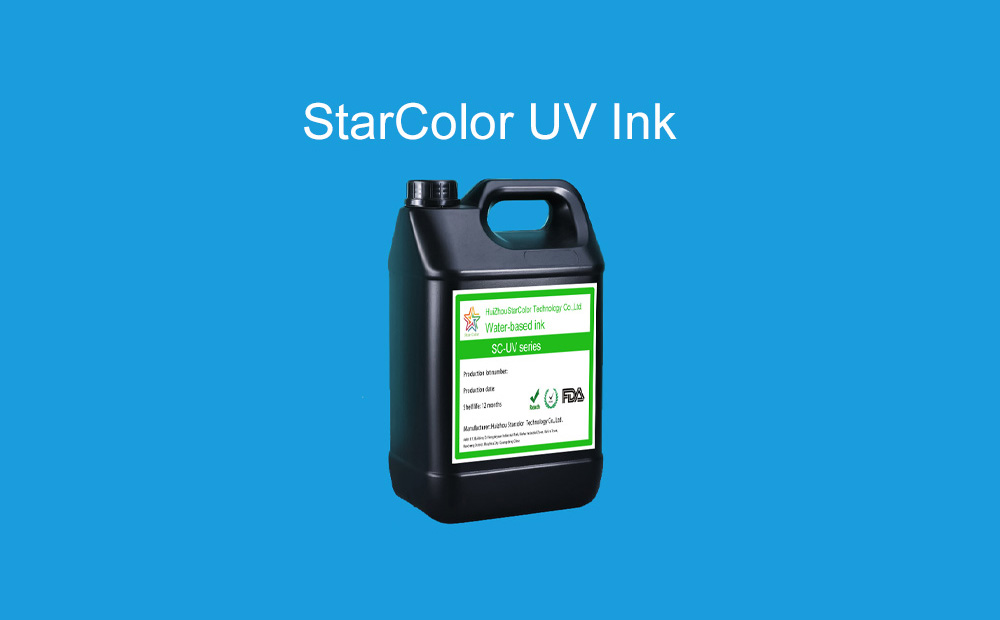
3. Impact of pH Value on Environmental Performance
- VOC Emissions and Air Pollution
One of the environmental advantages of UV printing lies in its low VOC emissions. The control of pH value is directly related to the volatility of solvents in the ink. Overly acidic or alkaline inks often lead to higher volatile organic solvent emissions, thereby increasing VOC emissions and adversely affecting the environment. By optimizing the pH value of the ink, harmful gas emissions can be effectively reduced, complying with environmental regulations and aiding enterprises in achieving green production. - Water-Based and Solvent-Based Regulation
Water-based UV inks are increasingly becoming a trend in environmentally friendly printing, as they not only reduce VOC emissions but also minimize potential health hazards to humans. The pH value of water-based inks needs to remain stable within a certain range to ensure uniform dispersion and stability of the water-based components. By controlling the acidity or alkalinity of the ink, the use of harmful solvents can be reduced, and the renewability and resource utilization efficiency of the ink can be improved. - Waste Disposal and Recycling
During the printing process, ink waste and cleaning of printing equipment generate certain waste materials. The pH value of the ink affects the acidity or alkalinity of wastewater, thus influencing the efficiency of the wastewater treatment process. Ink wastewater with a moderate pH value is easy to neutralize and treat, reducing the difficulty and cost of wastewater treatment and enhancing the recycling value of waste materials.
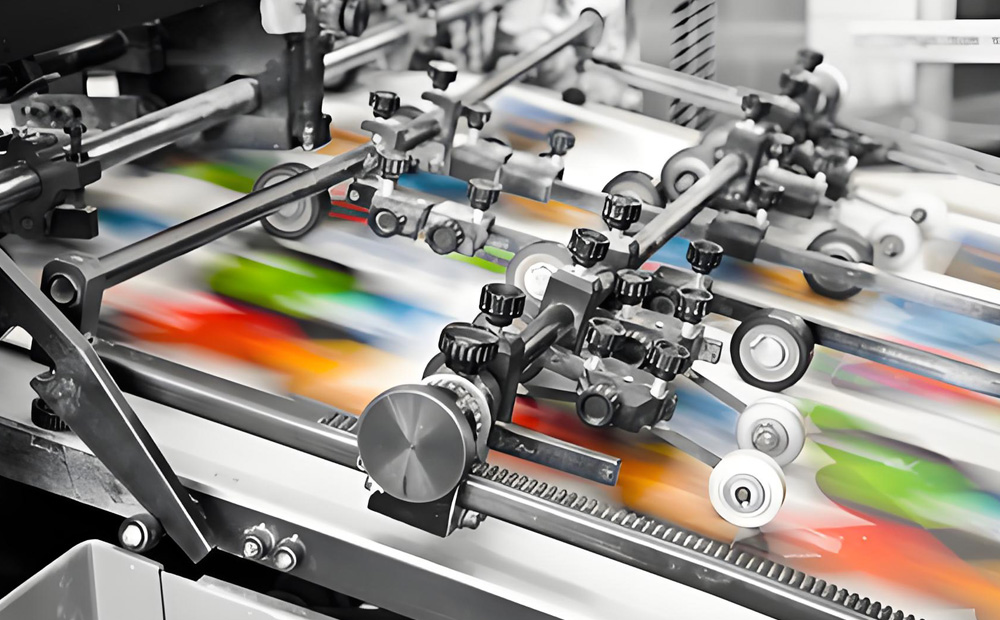
4. How to Control the pH Value of UV Flexographic Inks
To ensure the environmental performance and printing effects of UV flexographic inks, ink manufacturers and users need to strictly control the pH value of the inks:
- Formula Design
Selecting the right acid-base balance is crucial during the formula design process of the ink. Various raw materials in the ink, such as photoinitiators, resins, and solvents, must be considered for their impact on the pH value and adjusted according to actual needs. - Regular Testing and Adjustment
Regularly monitor the pH value of the ink during production and use to ensure it remains within the optimal range. If the pH value of the ink changes, timely adjustments should be made to ensure the stability of ink performance. - Selection of Eco-Friendly Additives
Using eco-friendly additives in the ink formula can effectively reduce fluctuations in the pH value and improve its environmental performance. For example, using non-toxic, low-pollution pH adjusters and dispersants can significantly reduce emissions of volatile organic compounds.
5. Conclusion
The pH value of UV flexographic inks has a significant impact on their printing quality, environmental performance, and operational convenience. By scientifically adjusting and controlling the pH value, the printing adaptability of the ink can be improved, its stability enhanced, and harmful emissions reduced, promoting the printing industry toward a more environmentally friendly and sustainable direction. Therefore, ink manufacturers and users should fully recognize the importance of pH value regulation, adopt appropriate formula designs and operational specifications to ensure the long-term development of environmentally friendly printing.
With technological advancements and further refinement of environmental regulations, the control of the pH value of UV flexographic inks will become one of the key factors driving the green transformation of the industry.
 StarColor Printing Ink
Leave a comment