
Classification and Explanation of Pigments in Water-based Inks
Water-based ink is an environmentally friendly printing material, with its core advantage lying in low volatile organic compound (VOC) emissions and reduced environmental pollution. However, to ensure the performance of water-based inks in various printing applications, the selection of pigments is crucial. Pigments are the key components that give inks their color and determine their color brightness, lightfastness, heat resistance, and chemical resistance. This article will provide a detailed introduction to the classification of pigments in water-based inks and analyze their characteristics in different applications.
I. Basic Definition and Function of Pigments
Pigments are one of the core components of water-based inks, and their functions include:
- Providing Color: Pigments determine the color and hue of the ink.
- Offering Opacity: They enhance the color saturation and opacity of printed materials.
- Enhancing Durability: The lightfastness, heat resistance, and chemical resistance of pigments directly affect the stability and lifespan of printed materials.
Based on chemical composition and source, pigments are mainly classified into inorganic pigments and organic pigments. Different types of pigments have their own advantages and disadvantages, and their application in water-based inks depends on specific printing needs.
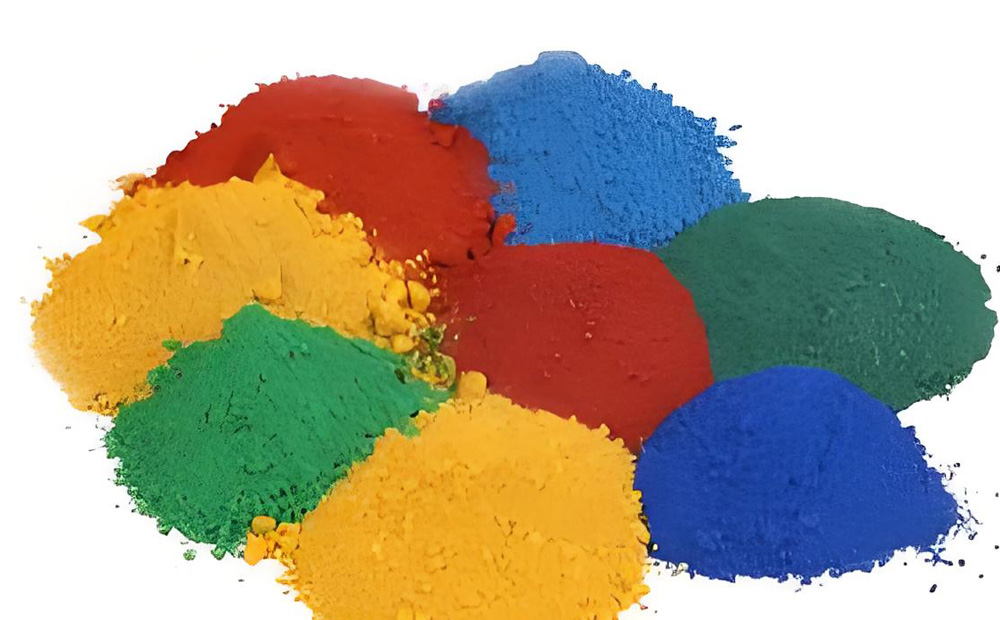
II. Inorganic Pigments
Inorganic pigments are typically made from minerals or metal oxides and exhibit excellent lightfastness, heat resistance, and chemical stability. Their application in water-based inks is mainly seen in scenarios requiring high opacity and weather resistance.
1. Common Types of Inorganic Pigments
- Titanium Dioxide (TiO₂):
- Color: White
- Characteristics: Extremely high opacity and brightness, with excellent lightfastness and chemical resistance.
- Application: Often used in white water-based inks and light-colored inks to improve opacity and color brightness.
- Iron Oxide Pigments (such as iron oxide red, iron oxide yellow, iron oxide black):
- Color: Red, yellow, black
- Characteristics: Good lightfastness, heat resistance, and weather resistance, with stable chemical properties.
- Application: Suitable for printing on packaging and building materials, as well as outdoor printed materials requiring weather resistance.
- Chrome Pigments:
- Color: Yellow, orange, red
- Characteristics: High opacity and good lightfastness, but due to their lead content, they are environmentally unfriendly and are gradually being replaced.
2. Advantages and Disadvantages of Inorganic Pigments
- Advantages:
- Excellent lightfastness and weather resistance, suitable for outdoor applications.
- Good chemical stability, suitable for various substrates.
- Resistant to fading, maintaining the color brightness of printed materials over time.
- Disadvantages:
- Relatively dull colors with a narrower color spectrum.
- Some inorganic pigments, such as lead-chrome pigments, pose potential risks to the environment and health.
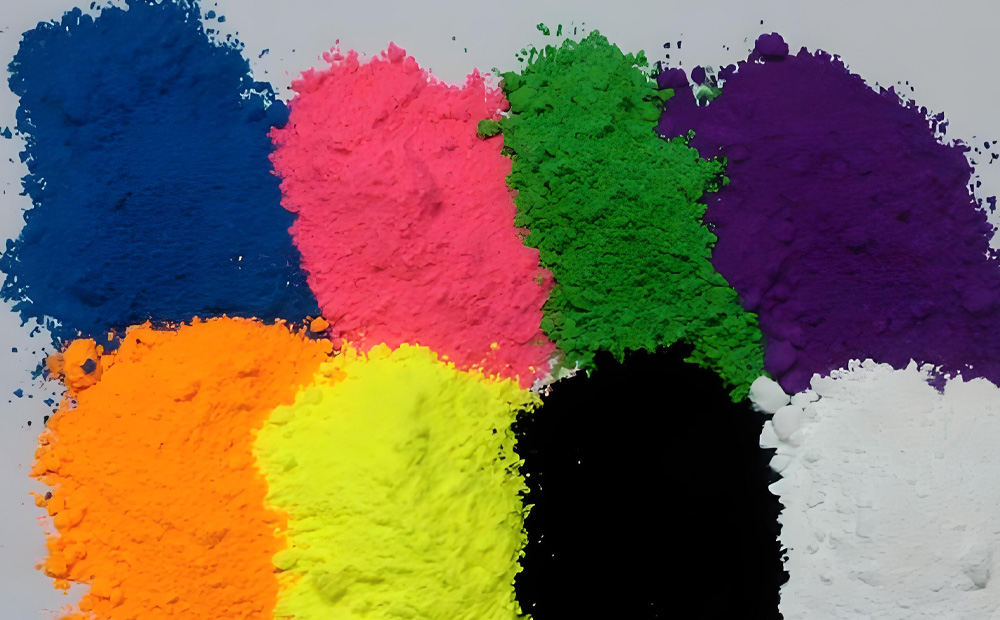
III. Organic Pigments
Organic pigments are synthesized from carbon-based compounds and are known for their vibrant colors and wide color spectrum. Although their lightfastness and heat resistance are slightly inferior to inorganic pigments, through improved formulations and processing techniques, organic pigments are increasingly used in water-based inks.
1. Common Types of Organic Pigments
- Phthalocyanine Pigments:
- Color: Blue, green
- Characteristics: Bright colors with good lightfastness and chemical resistance, making them one of the most commonly used organic pigments.
- Application: Suitable for outdoor advertising, packaging printing, and other applications requiring vibrant colors.
- Azo Pigments:
- Color: Red, yellow, orange
- Characteristics: Bright colors with relatively low costs, but some azo pigments have poor lightfastness and heat resistance.
- Application: Widely used in general packaging printing, book printing, and label printing.
- Quinacridone Pigments:
- Color: Red, purple
- Characteristics: Excellent lightfastness, heat resistance, and weather resistance, with vibrant and stable colors.
- Application: High-end printed materials, outdoor advertising, and automotive coatings.
- Lake Pigments:
- Color: Various
- Characteristics: Prepared by precipitating dyes onto a substrate, resulting in vibrant colors, but with inferior lightfastness and chemical resistance compared to phthalocyanine and quinacridone pigments.
- Application: Used in packaging, decorative printing, and cosmetic labels.
2. Advantages and Disadvantages of Organic Pigments
- Advantages:
- Vibrant colors with a wide color spectrum, suitable for various high-quality printing needs.
- Non-toxic and environmentally friendly, complying with current market requirements.
- Can be improved in lightfastness and heat resistance through technological advancements.
- Disadvantages:
- Compared to inorganic pigments, they have poorer lightfastness and weather resistance.
- Some organic pigments are prone to fading, especially under strong UV exposure.
IV. Comparison Between Inorganic and Organic Pigments
| Performance Indicator | Inorganic Pigments | Organic Pigments |
|---|---|---|
| Color Brightness | Moderate | High |
| Color Spectrum Range | Narrower | Wide |
| Lightfastness | Excellent | Average |
| Heat Resistance | Excellent | Good |
| Environmental Friendliness | Some are poor (e.g., lead-chrome pigments) | Non-toxic and environmentally friendly |
| Application Scenarios | Outdoor advertising, architectural printing, packaging printing | Packaging printing, high-end books, outdoor advertising |
V. How to Choose Pigments for Water-based Inks
When selecting pigments for water-based inks, consider the following factors comprehensively:
- Printing Application: For outdoor advertising and packaging printing, prefer inorganic pigments with strong lightfastness and high-performance organic pigments; for indoor printing and high-end book publishing, choose vibrant organic pigments.
- Environmental Requirements: In areas with strict environmental regulations, choose non-toxic and environmentally friendly organic pigments and avoid inorganic pigments containing lead and other harmful ingredients.
- Cost Considerations: Generally, organic pigments are relatively more expensive but offer better color brightness and environmental friendliness; inorganic pigments are cheaper but have more limited color effects.
VI. Conclusion
Pigments, as the core components of water-based inks, play a decisive role in their printing performance and application effects. By reasonably selecting inorganic and organic pigments and adding suitable UV-resistant additives to the formulation, the color durability and weather resistance of water-based inks can be significantly improved. In future developments, with technological advancements and increasing environmental requirements, pigments for water-based inks will continue to evolve towards greater environmental friendliness, durability, and multifunctionality.
 StarColor Printing Ink
Leave a comment