
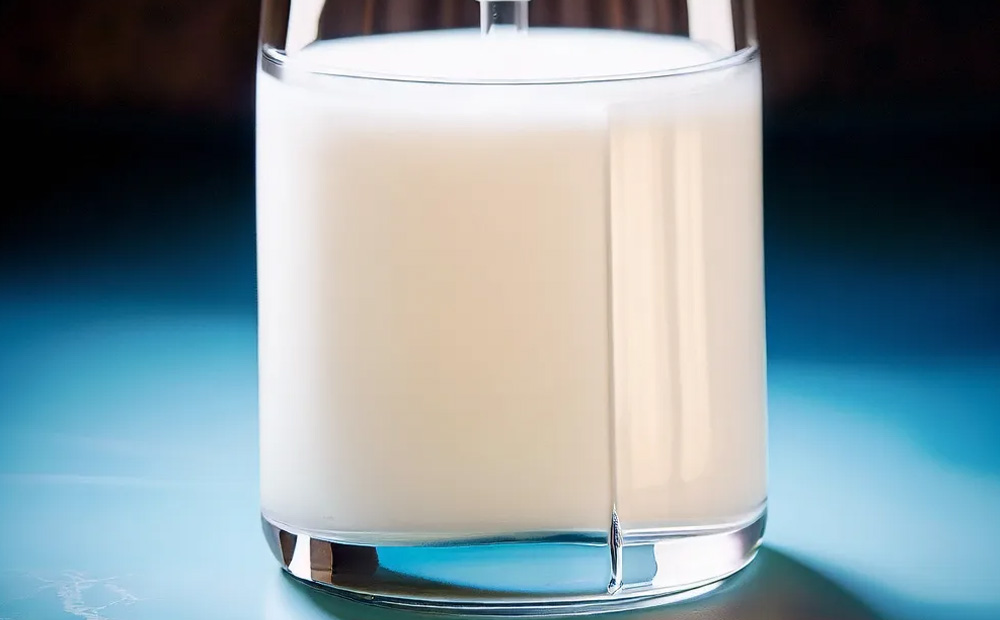
With the heightened awareness of environmental protection, water-based inks have gradually replaced traditional solvent-based inks as the widely used printing material for food packaging, especially milk packaging. Water-based inks are not only environmentally friendly but also meet the high standards of food packaging. However, when using water-based inks on milk packaging, several key considerations are crucial to ensure print quality and packaging safety.
- Ensuring Food Safety
As milk packaging directly contacts food, the safety of its materials is paramount. Water-based inks may contain various chemical components, so it is essential to ensure that they do not contain any harmful substances such as heavy metals or volatile organic compounds (VOCs). These components, if they migrate into the packaging, could contaminate the milk and even pose health risks to consumers. Therefore, choosing water-based inks that comply with food contact material regulations is vital.
Depending on the regulatory requirements of different countries or regions, water-based inks need to meet standards such as those set by the FDA (Food and Drug Administration) in the United States or the European Union’s food packaging regulations to ensure they do not adversely affect health when in contact with food.
- Improving Ink Adhesion
Common materials for milk packaging include paper, plastic, and aluminum foil, which have vastly different surface properties. Therefore, ink adhesion is crucial for ensuring print quality. Water-based inks must have sufficient adhesion to prevent the printed图案 from peeling or scratching during transportation, storage, or use.
When selecting inks, adjustments to the ink formula are needed based on the surface treatment of the packaging material (e.g., whether it has been coated). Additionally, appropriate printing techniques and processes, such as increased drying or hot pressing, can enhance ink adhesion and ensure pattern stability.
- Enhancing Moisture and Water Resistance
Milk is a liquid food, and during transportation and storage, the packaging often encounters humid environments. Especially under cold chain transportation conditions, the packaging may come into contact with cold air and moisture. Therefore, water-based inks must possess good moisture and water resistance to prevent fading, peeling, or dissolution of the ink under humid conditions, which could affect the packaging’s appearance and brand image.
High-quality water-based inks can effectively improve their moisture resistance by adjusting their chemical composition, ensuring that the packaging patterns remain bright and clear even in refrigerated environments.
- Optimizing Printing Drying Speed
Water-based inks generally have a slower drying speed compared to solvent-based inks, so drying conditions must be carefully controlled during the printing process. If the ink does not dry promptly during printing, it may result in blurred patterns, unclear printing effects, or even printer jams. Therefore, printing factories need to adjust the temperature and humidity of the working environment and select suitable drying equipment based on the characteristics of different inks.
Furthermore, in multicolor printing processes, the drying speed of each ink layer also needs precise control to avoid color layer confusion or unevenness.
- Ensuring Color Brightness and Consistency
Milk packaging designs often feature bright and fresh colors to attract consumers’ attention and convey brand image. Therefore, the color brightness and consistency of water-based inks are crucial. Water-based inks should have good color reproducibility, maintaining color stability across different batches to avoid color differences caused by ink formula variations.
Strict control over ink color matching and blending processes during printing can ensure that the final packaging effect is colorfully bright and consistent.
- Enhancing Environmental Friendliness
As an environmentally friendly ink, the biggest advantage of water-based inks is their low pollution. Compared to solvent-based inks, water-based inks do not contain volatile organic compounds (VOCs) during production, reducing environmental pollution. Therefore, when selecting water-based inks, manufacturers must consider not only their adaptability but also ensure that the inks comply with environmental standards, avoiding excessive waste gas or other pollutants during production.
Using water-based inks not only reduces environmental pollution but also enhances corporate social responsibility and brand image, aligning with the trend of green packaging.
- Improving Abrasion and Scratch Resistance
Milk packaging inevitably undergoes friction during transportation and circulation, especially as the packaging material’s surface may come into contact with other objects, causing ink shedding or pattern damage. Therefore, water-based inks must have high abrasion and scratch resistance to ensure that the packaging maintains pattern integrity during prolonged use and transportation.
Adding appropriate additives can improve the abrasion resistance of water-based inks, making them better able to withstand wear during packaging processes.
- Controlling Ink Transparency and Gloss
Certain milk packaging designs may require high transparency or gloss, especially when the packaging needs to showcase the purity of the milk. The transparency and gloss of water-based inks are key factors affecting the packaging’s visual effect. Therefore, selecting the appropriate ink formula can achieve the desired visual effect.
For packaging designs requiring high transparency, water-based inks with high light transmittance can be used to ensure clear display of the patterns on the packaging.
Water-based inks, as an environmentally friendly, safe, and effective printing material, have been widely used in the printing process of milk packaging. However, only by considering the above factors when selecting inks can the perfect combination of print effects and packaging quality be ensured. While ensuring food safety, enhancing the aesthetic appeal, durability, and environmental friendliness of packaging will help elevate brand value and win consumers’ trust and favor.
 StarColor Printing Ink
Leave a comment