
In the modern printing industry, water-based inks have gradually replaced traditional solvent-based inks due to their environmental friendliness, becoming the mainstream choice for packaging, publishing, and advertising printing. Water-based inks use water as a solvent, reducing emissions of volatile organic compounds (VOCs). However, the components of water-based inks not only include resins, additives, and water but also pigments, which are the key materials providing color to the inks. Although water-based inks are relatively superior in environmental performance, the degradability of the pigments used and their potential environmental impacts still require in-depth discussion.
I. Basic Classification of Pigments in Water-based Inks
Pigments used in water-based inks are mainly divided into the following two categories:
Inorganic Pigments
Common inorganic pigments include titanium dioxide (TiO₂), iron oxide (Fe₂O₃), chrome yellow (lead chromate), ultramarine blue, etc. These pigments typically have high lightfastness, heat resistance, and chemical stability.
Inorganic pigments, mostly metal oxides or salts, have high stability but may contain heavy metal elements (such as chromium, cadmium, lead). The accumulation of these elements in the environment may adversely affect ecosystems.
Organic Pigments
Organic pigments include phthalocyanine blue, phthalocyanine green, azo pigments, and anthraquinone pigments. These pigments are brightly colored and have excellent coloring power and durability.
Compared to inorganic pigments, organic pigments generally do not contain heavy metals but have complex molecular structures that may be difficult for microorganisms to decompose in the environment.
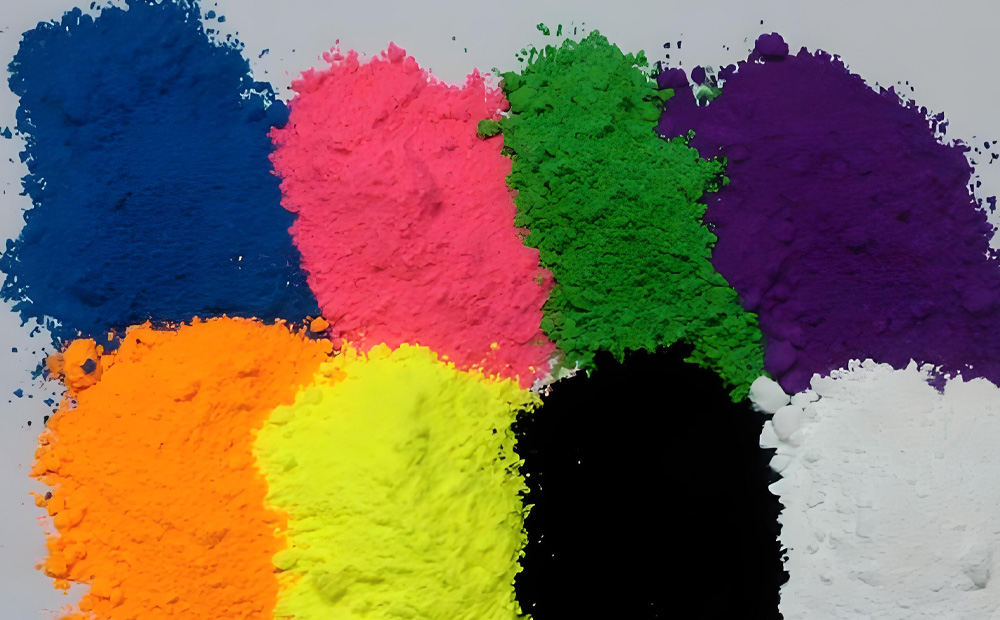
II. Degradation Mechanisms and Biodegradability Analysis of Pigments
Degradation Mechanisms of Pigments
Inorganic Pigments: Due to their composition of metal oxides or salts, inorganic pigments are highly chemically stable and difficult to degrade in the natural environment. Even after long-term exposure to sunlight, rainwater, and microorganisms, their chemical structures remain stable. However, certain inorganic pigments (such as those containing lead and chromium) may release heavy metal ions under specific conditions, contaminating soil and water bodies.
Organic Pigments: The degradation of organic pigments primarily depends on photodegradation and biodegradation. Under ultraviolet radiation, organic pigments may undergo molecular chain breakage. However, due to their highly stable aromatic compound structures, the biodegradation process is usually slow. Additionally, the degradation of azo organic pigments may release toxic aromatic amines, posing potential threats to the environment and human health.
Assessment of Biodegradability
The biodegradability of pigments is typically assessed through OECD 301 series tests (e.g., OECD 301B, 301F). These tests measure the ability of chemicals to be decomposed by microorganisms in the natural environment.
Studies show that most organic pigments exhibit “resistant to biodegradation” in standard biodegradation tests. This is because their complex aromatic ring structures and high chemical stability make it difficult for microorganisms to recognize and degrade these compounds.
III. Potential Environmental Impacts of Pigments in Water-based Inks
Heavy Metal Pollution
Although water-based inks reduce VOC emissions, if the inorganic pigments used contain heavy metals (such as chrome yellow and lead chromate), they may enter soil and water bodies through waste disposal or long-term environmental exposure, posing hazards to ecosystems and human health. For example, chromium and lead can be toxic to the growth and reproduction of aquatic organisms and have cumulative effects in humans.
The EU’s REACH Regulation places strict restrictions on the use of certain heavy metals. Therefore, water-based ink manufacturers should choose low-toxicity or non-toxic inorganic pigments.
Organic Pollution
Although organic pigments do not contain heavy metals, their degradation products may impact the environment. For example, azo pigments may release carcinogenic aromatic amines during degradation. These compounds are difficult to degrade in soil and water bodies, potentially causing long-term pollution.
To reduce the environmental impact of organic pigments, recent research has focused on developing biodegradable organic pigments to reduce their persistence in the environment.
IV. Future Directions for Enhancing the Environmental Friendliness of Pigments in Water-based Inks
To reduce the negative environmental impacts of pigments in water-based inks, the industry and research institutions are exploring the following technologies and solutions:
Alternative Non-toxic Pigments
Develop inorganic pigments without heavy metals, such as using natural minerals or novel synthetic materials to replace traditional chrome yellow and lead pigments, to reduce heavy metal pollution.
Improve the biodegradability of organic pigments by researching pigments based on biomaterials, such as natural pigments extracted from algae or plant-derived pigments.
Surface Modification and Nanotechnology
Surface modification of pigments through nanotechnology can not only improve their dispersion and stability but may also enhance their degradation efficiency in the environment.
Develop pigments with photocatalytic degradation capabilities that can be accelerated under ultraviolet exposure, reducing their residence in the natural environment.
Strict Regulations and Standards
Countries and regions such as the EU, the US, and China are gradually tightening environmental regulations on pigments, requiring pigment components in water-based ink products to comply with environmental standards such as REACH and RoHS. This will drive water-based ink manufacturers to develop more environmentally friendly pigment solutions.
V. Conclusion
Despite the significant environmental advantages of water-based inks over traditional inks, the degradability of their pigments remains a complex issue. The chemical stability and potential heavy metal pollution of inorganic pigments, as well as the inadequate photodegradation and biodegradability of organic pigments, are urgent challenges for the printing industry on the path to environmental protection.
In the future, through the adoption of more environmentally friendly raw materials and advanced technologies, the pigment components of water-based inks are expected to achieve significant progress in environmental degradability. Manufacturers should actively respond to environmental regulations, promote the development of ink products towards low toxicity, low pollution, and high degradability, thereby achieving sustainable development while protecting the environment.
 StarColor Printing Ink
Leave a comment