
In the world of modern printing, maintaining optimal ink viscosity is essential for achieving high-quality results. For water-based printing inks, viscosity directly influences print consistency, drying time, and overall efficiency. Understanding and adhering to viscosity standards can help businesses maximize performance while minimizing waste.
What is Ink Viscosity and Why Does It Matter?
Viscosity refers to the thickness or flow resistance of a liquid. In printing, the viscosity of water-based inks affects:
- Print Quality: Low viscosity can cause smudging, while high viscosity may lead to uneven prints.
- Ink Transfer Efficiency: Proper viscosity ensures smooth ink transfer from the press to the substrate.
- Drying Time: Balanced viscosity helps optimize drying speed, preventing over-drying or wet spots.
By adhering to proper viscosity standards, printers can achieve consistent, high-quality outputs across various substrates and designs.

Key Factors Influencing Water-Based Ink Viscosity
Several factors can affect the viscosity of water-based inks during the printing process:
- Temperature: Higher temperatures lower ink viscosity, while cooler temperatures increase it.
- Humidity: High humidity can dilute inks, reducing viscosity, while low humidity has the opposite effect.
- Substrate Type: Porous materials may require adjustments in ink viscosity for proper absorption.
- Printing Speed: High-speed presses often demand lower viscosity inks for smooth operation.
Viscosity Standards for Water-Based Printing Inks
The exact viscosity requirements vary depending on the printing method, but here are some general guidelines:
- Flexographic Printing: Viscosity typically ranges between 25-50 seconds (Zahn Cup #2) for smooth and efficient operation.
- Gravure Printing: Requires a lower viscosity, around 15-25 seconds (Zahn Cup #2), to ensure optimal transfer.
- Screen Printing: Higher viscosities are required, often ranging from 800-2000 centipoise (cP), depending on the mesh size.
It’s essential to monitor ink viscosity regularly using tools such as a viscometer or flow cups to maintain these standards.
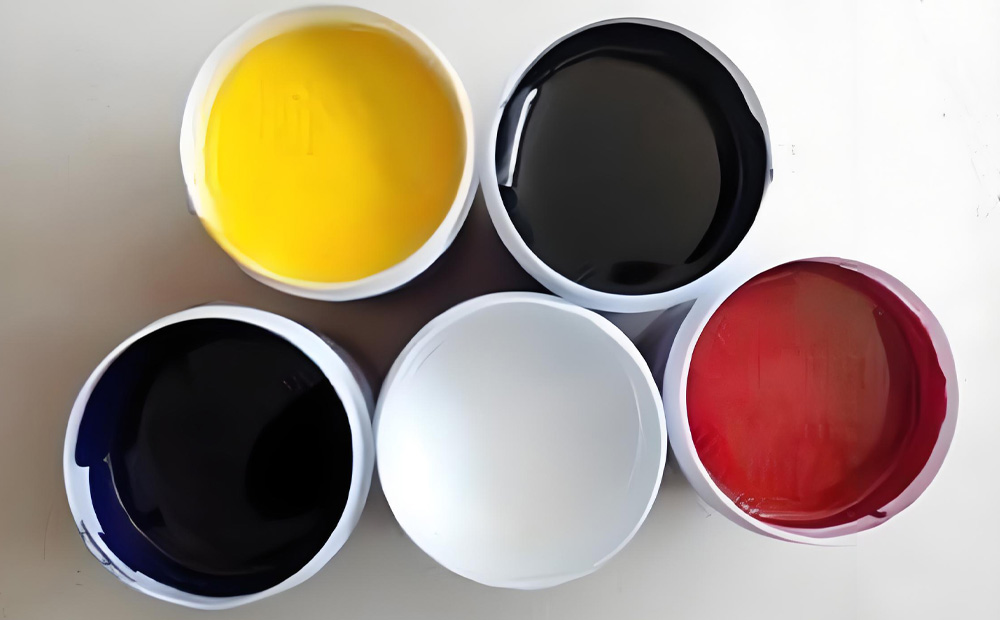
How to Adjust Water-Based Ink Viscosity
- Dilution: Add water or a specific thinner recommended by the ink manufacturer to reduce viscosity.
- Thickening: Use a compatible thickening agent to increase viscosity.
- Temperature Control: Maintain consistent printing room temperatures to avoid fluctuations.
The Benefits of Consistent Viscosity
- Improved Print Accuracy: Balanced viscosity ensures sharp and precise prints.
- Cost Savings: Reduces ink waste and minimizes press downtime.
- Sustainability: Optimized ink usage contributes to eco-friendly practices by minimizing excess consumption.

Why Choose Our Water-Based Printing Inks?
Our water-based printing inks are formulated to meet industry viscosity standards, offering:
- Exceptional Stability: Minimal changes in viscosity during printing.
- Wide Compatibility: Suitable for a variety of substrates and printing speeds.
- Eco-Friendly Solutions: Low VOC emissions and biodegradable formulations.
Unlock the Full Potential of Water-Based Printing
Viscosity plays a pivotal role in the performance of water-based inks. By understanding and adhering to industry standards, printers can enhance efficiency, reduce waste, and deliver exceptional results.
Ready to elevate your printing operations? Contact us today to learn more about our high-performance water-based inks and expert support for viscosity management.
 StarColor Printing Ink
Leave a comment