
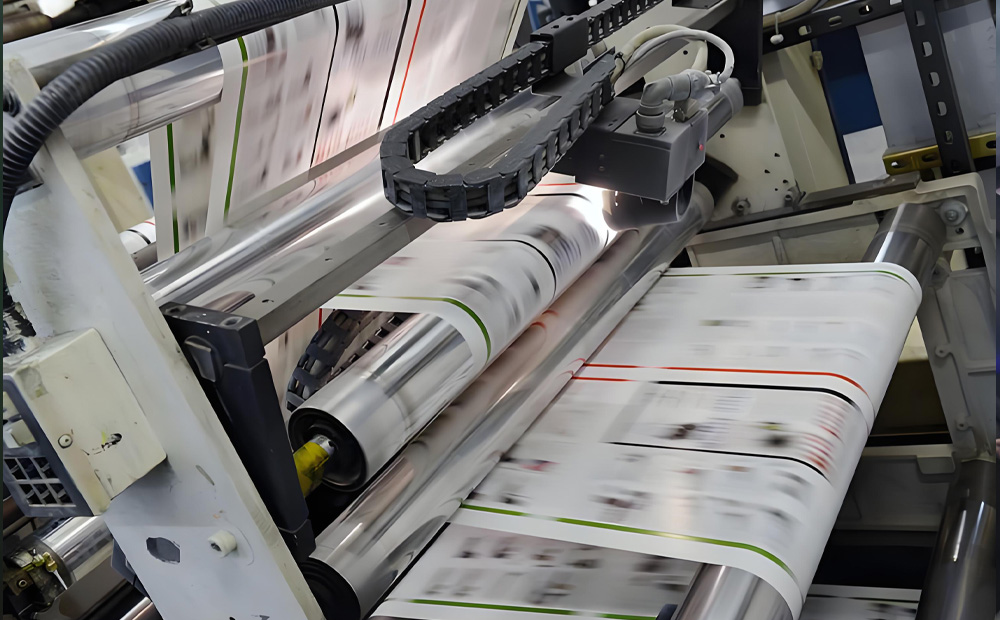
UV flexo inks are renowned for their fast curing times, high-quality results, and environmental benefits. However, achieving the best possible performance from these inks requires careful attention to various factors that can influence their consistency, adhesion, print quality, and durability.
1. Ink Formulation
The formulation of the UV flexo ink is one of the most critical factors influencing its performance. UV inks are made up of several components, including pigments, resins, monomers, photoinitiators, and additives. The ratio and quality of these ingredients can significantly affect properties such as curing speed, adhesion, durability, and color fidelity.
- Pigment Load: The concentration and type of pigments used in the ink affect its opacity, color strength, and clarity. A higher pigment load provides better color intensity, but it can also impact the flow and curing characteristics of the ink.
- Resin Type: The resin is responsible for the ink’s film formation, flexibility, and adhesion to substrates. Different resin types offer varying levels of hardness or flexibility, which can affect how the ink adheres to the material and its resistance to abrasion.
- Monomers and Photoinitiators: Monomers are used to control the ink’s viscosity, while photoinitiators allow the ink to cure when exposed to UV light. The type and concentration of photoinitiators determine the curing speed, and an inadequate or improperly balanced formulation can lead to incomplete curing or excessive curing time.
Fine-tuning the ink formulation based on the specific requirements of the printing job—whether it’s fast curing, high durability, or precise color matching—is essential to achieving optimal performance.
2. UV Curing System and Equipment
UV flexo inks require ultraviolet (UV) light for curing, and the type of UV curing system used has a significant impact on the ink’s performance. Factors like curing lamp type, intensity, and distance from the substrate all play a role in the final result.
- Curing Lamp Type: There are different types of UV lamps, including mercury vapor lamps, LED UV lamps, and H-UV systems. Each type produces different intensities and wavelengths of UV light, which can affect how effectively the ink cures. LED UV lamps, for example, are more energy-efficient and can provide faster curing times, but they may require ink formulations specifically designed for LED wavelengths.
- Curing Intensity: The intensity of UV light directly impacts the curing process. Insufficient curing can result in incomplete polymerization of the ink, leading to poor adhesion, poor resistance to abrasion, or even smudging. Overcuring, however, can cause the ink to become too brittle or lead to unwanted curing effects on certain substrates.
- Curing Time and Speed: The speed of the press and the dwell time under the UV light also affect the curing efficiency. Higher-speed printing presses may require higher-intensity lamps or multiple curing stations to ensure the ink cures fully as the substrate moves quickly through the system.
Ensuring that the UV curing system is properly calibrated and matched to the specific ink formulation is crucial for achieving the best results.

3. Substrate Type and Surface Energy
The type of substrate being printed on has a profound effect on the performance of UV flexo inks. Different materials—whether paper, plastic, metal, or glass—require different approaches for optimal adhesion, curing, and print quality.
- Surface Energy: Substrates with low surface energy, such as many types of plastic (e.g., polyethylene and polypropylene), may require special surface treatments to improve ink adhesion. Inadequate adhesion can lead to poor ink transfer, smudging, or flaking during handling or exposure to moisture. Treatments like corona or flame treatment are commonly used to increase the surface energy of non-porous substrates.
- Porosity: Porous materials like paper and corrugated board are easier to print on with UV inks because they allow for better ink absorption and adhesion. However, too much porosity can cause the ink to spread or absorb unevenly, leading to inconsistent prints. For porous substrates, UV inks with higher viscosity or specific formulations are required to maintain print sharpness and prevent excessive absorption.
- Substrate Coatings and Treatments: Some substrates are coated to improve their printability or aesthetic appeal. Coatings may affect the adhesion and curing of UV inks. For example, glossy coatings or varnishes on paper or plastic can interfere with ink adhesion, requiring specific primers or UV ink formulations designed to bond effectively with these surfaces.
Understanding the properties of the substrate and selecting the appropriate ink formulation and curing system is essential for achieving high-quality prints.
4. Printing Press and Operating Conditions
The performance of UV flexo inks is also influenced by the printing press itself and the operating conditions during the print run. The printing press setup, including plate type, anilox roller configuration, and press speed, must be optimized for UV printing.
- Anilox Rollers: The anilox roller’s engraving depth and cell volume determine the ink transfer and ink volume applied to the substrate. Incorrect anilox roller specifications can result in inconsistent ink coverage, leading to uneven prints. Adjusting the anilox roller settings to match the viscosity of the ink is crucial for achieving uniform coverage and sharp print quality.
- Printing Plate Type: The choice of flexo printing plate (e.g., photopolymer or rubber) can influence ink transfer and overall print quality. Plates with the right hardness and relief depth can help achieve better dot reproduction and fine details, particularly for high-resolution printing.
- Press Speed: The speed at which the press runs affects how much time the ink is exposed to UV light, which can influence curing efficiency. High-speed presses often require more powerful UV lamps or multiple curing stations to ensure that ink cures properly.
Maintaining proper press settings and regularly checking for wear and tear on printing components are essential for optimizing ink performance.
5. Ink Viscosity and Rheology
Viscosity, or the thickness of the ink, is a critical factor in achieving smooth, consistent prints. UV flexo inks are typically designed with a specific viscosity range to ensure proper flow, transfer, and adhesion.
- Ink Thinning: UV inks may need to be thinned to adjust their viscosity for specific printing conditions or substrates. Over-thinning the ink can result in poor opacity or reduced print quality, while overly thick ink can cause smudging, poor transfer, or press downtime.
- Temperature Sensitivity: UV inks are sensitive to temperature changes. Extreme temperatures can affect the ink’s viscosity and curing characteristics. Keeping the ink at the recommended temperature range (typically 18°C to 25°C) helps maintain consistent print quality and ink flow.
Proper ink rheology ensures smooth printing and optimal performance across different substrates and printing conditions.
6. Environmental Conditions
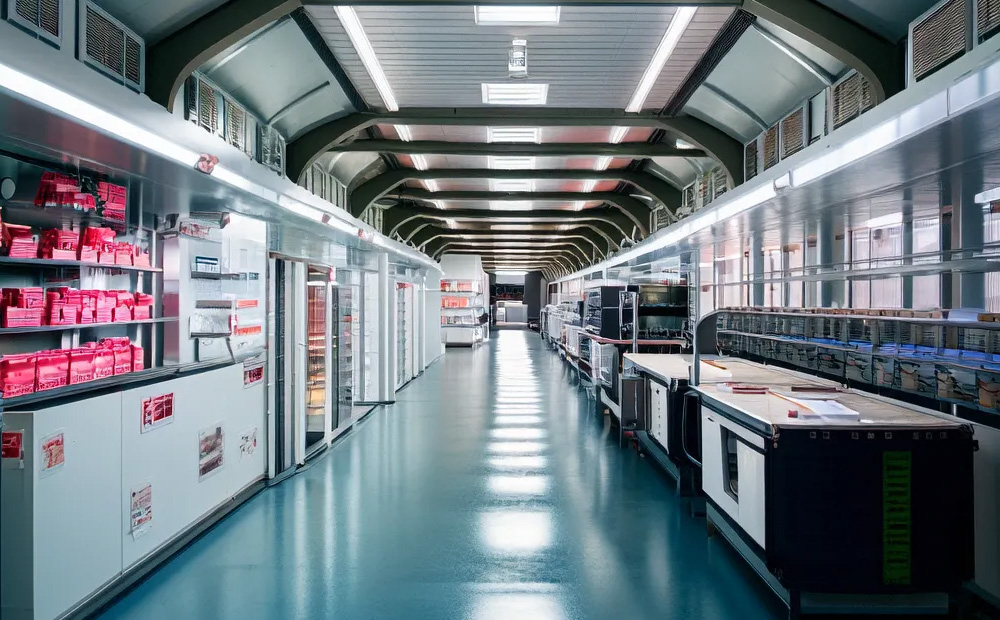
Environmental factors such as temperature, humidity, and air quality can also affect the performance of UV flexo inks. For example:
- Temperature: As mentioned earlier, UV inks are sensitive to temperature. Cold environments can cause the ink to thicken, while excessive heat can lead to premature curing. Both can negatively impact ink flow, adhesion, and curing speed.
- Humidity: Humidity levels can influence the curing process and ink consistency. Excessive moisture can interfere with ink curing, especially in substrates like paper, which may absorb moisture and affect ink transfer. Conversely, very low humidity can make inks dry too quickly or become too thick, leading to printing challenges.
- Air Quality: Proper ventilation in the printing environment is crucial, as UV inks release ozone and other byproducts during curing. Poor air circulation can lead to overexposure to these byproducts, affecting both worker health and print quality.
Maintaining consistent environmental conditions in the printing facility helps ensure that UV inks perform optimally.
7. Ink Storage and Shelf Life
Proper ink storage is essential for preserving the performance of UV flexo inks. Exposure to air, light, and extreme temperatures can degrade the ink, leading to issues like thickening, premature curing, or changes in viscosity. Always store UV inks in a cool, dark, and controlled environment to maintain their shelf life and prevent premature curing or other performance issues.
Conclusion
The performance of UV flexo inks is influenced by a variety of factors, from ink formulation and curing system settings to substrate properties, printing press conditions, and environmental factors. To achieve optimal results, it’s essential to consider these elements and adjust them according to the specific requirements of each print job. By carefully managing these variables, printers can maximize the quality, efficiency, and durability of their UV flexo prints, ensuring a superior product for their clients.
 StarColor Printing Ink
Leave a comment