
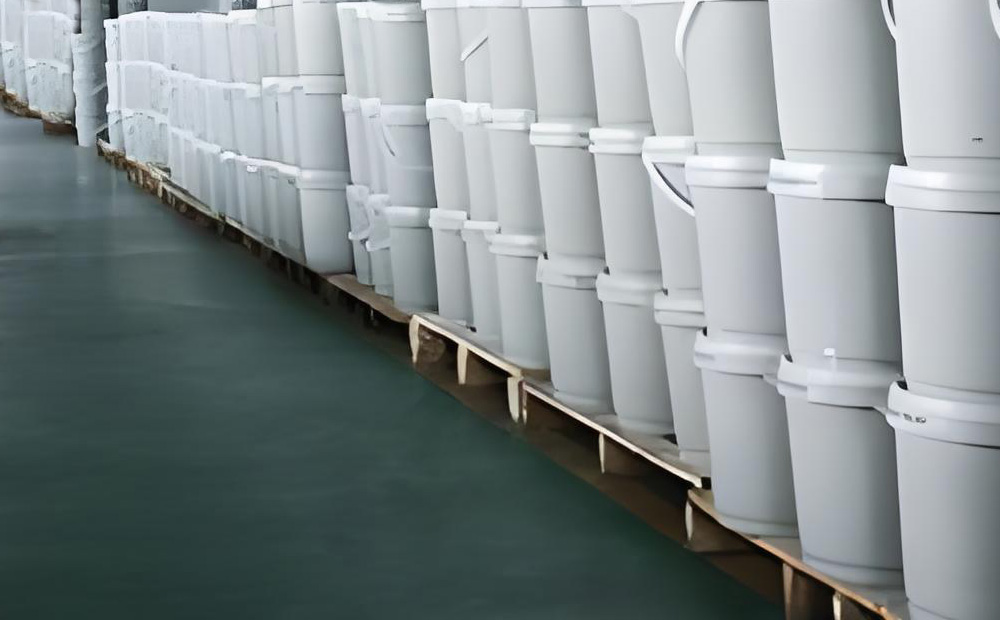
Proper storage of UV flexo inks is critical to maintaining their performance, quality, and longevity. Unlike conventional inks, UV inks rely on a curing process that involves exposure to ultraviolet (UV) light, and they can be sensitive to temperature, light, and air exposure. Incorrect storage can lead to issues such as premature curing, thickening, or contamination, all of which can affect print quality and production efficiency. In this article, we’ll explore the best practices for storing UV flexo inks to ensure they perform at their best every time.
1. Store in a Cool, Controlled Environment
UV flexo inks should be stored in a cool and stable environment, away from extreme temperatures. Ideally, UV inks should be kept between 18°C and 25°C (64°F to 77°F). Storing the inks in temperatures that are too high or too low can negatively impact their viscosity and curing properties. Extreme heat may cause the ink to thicken or cure prematurely, while excessive cold can cause the ink to become too viscous, making it difficult to use in printing applications.
It is important to avoid storing UV inks near heat sources such as radiators, boilers, or direct sunlight. High temperatures can also accelerate the degradation of the ink’s chemical composition, leading to shorter shelf life and diminished performance.
2. Avoid Exposure to UV Light
Since UV inks rely on ultraviolet light to cure, exposure to UV light before application can cause premature curing, resulting in thickening or gelling. Therefore, UV inks should be stored in tightly sealed containers and placed in areas where they are not exposed to natural or artificial UV light sources.
If the ink containers are clear or translucent, it is especially important to store them in a dark place to prevent any UV light from penetrating and initiating the curing process. Opaque containers are preferable for UV inks as they help block light from affecting the ink inside.
3. Seal Containers Tightly
UV flexo inks are sensitive to oxygen, which can cause them to dry out or cure prematurely. When storing UV inks, make sure the containers are sealed tightly to prevent air from getting in. Exposure to air can lead to oxidation, which may cause the ink to thicken, dry out, or even form a skin on the surface.
For optimal performance, always ensure that the lid is closed securely after each use. If you are storing UV ink in smaller containers, be mindful not to leave excessive empty space in the container, as air exposure can affect the ink even more rapidly.
4. Keep Containers Upright
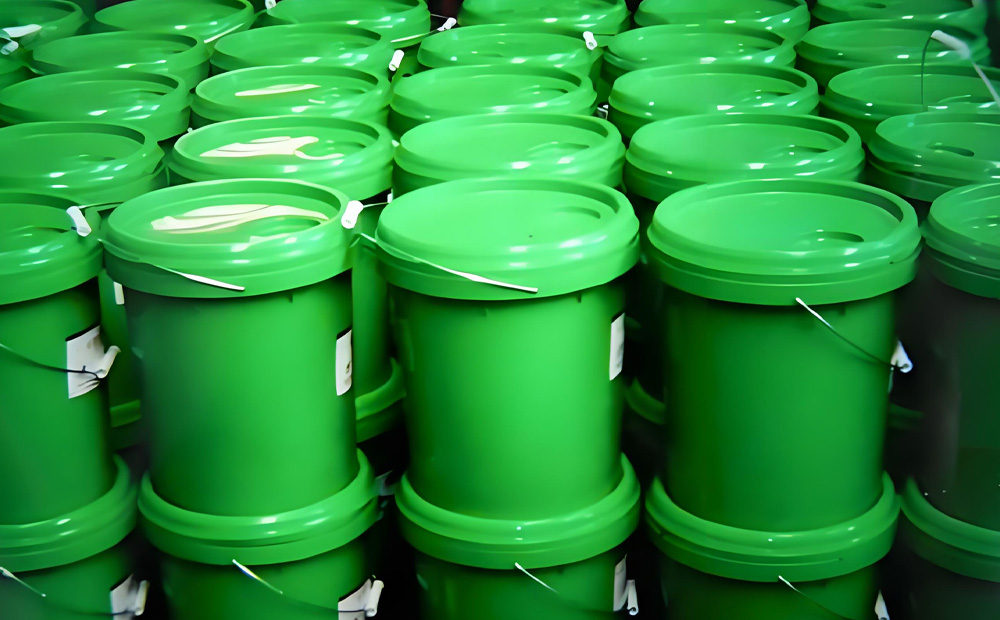
When storing UV flexo inks, it’s important to store them upright to prevent spillage, contamination, or unnecessary exposure to air. This is particularly important for large containers of ink. Storing ink in an upright position helps ensure that the ink maintains its consistency and prevents unnecessary agitation, which could lead to contamination or chemical reactions within the ink.
Additionally, when ink is stored upright, any pigments or other additives are less likely to settle unevenly at the bottom of the container, ensuring a more uniform and consistent application when the ink is used.
5. Limit the Number of Opened Containers
Once a container of UV flexo ink is opened, the ink is exposed to air and, depending on the duration of exposure, may begin to lose its optimal performance. Minimize the number of times a container is opened to avoid repeated exposure to air. If you need to use ink from a large container, try to pour out only the amount you need for the print job, and reseal the container immediately after use.
If possible, use smaller containers to reduce the amount of ink exposed to air. This way, larger quantities of unused ink can remain sealed and preserved for future use.
6. Monitor Ink Viscosity and Consistency
Over time, UV flexo inks can change in viscosity, especially if they have been stored improperly. It’s a good practice to periodically check the viscosity of the stored ink to ensure it is within the recommended range for your printing process. If the ink has thickened or become too viscous, it may need to be adjusted using a compatible thinner or reducer recommended by the manufacturer.
Make sure to stir or shake the ink thoroughly before use to ensure a uniform consistency, especially if it has been sitting for a while. Some inks may require periodic agitation to keep the pigments evenly suspended.
7. Avoid Contamination
UV flexo inks are sensitive to contamination, which can adversely affect print quality and equipment performance. Always ensure that the storage area is clean and free from dust, dirt, and other contaminants. Additionally, be cautious when transferring ink between containers to prevent introducing foreign particles.
If using a dispensing system or transferring ink from one container to another, use clean tools and utensils. Do not mix inks from different batches, as this may lead to inconsistencies in color or performance.
8. Use a Temperature-Controlled Storage System (for Large Quantities)
For businesses that store large quantities of UV flexo inks, especially in production environments, investing in a temperature-controlled storage system may be worthwhile. These systems ensure that the ink is kept at an optimal temperature, regardless of external weather conditions, helping to extend the shelf life of the ink and prevent degradation due to temperature fluctuations.
Additionally, some manufacturers offer specialized ink storage cabinets with UV protection and temperature control features, designed to provide an ideal environment for storing UV flexo inks.
9. Respect the Ink’s Shelf Life
UV inks, like any chemical product, have a shelf life—the period during which they will maintain their optimal performance if stored correctly. Check the ink’s expiration date or the manufacturer’s guidelines for recommended usage periods. Over time, even properly stored UV inks can lose their effectiveness due to changes in chemical composition or viscosity.
If you are using older ink, always test its performance on a small sample before committing to large-scale printing. If the ink has become too thick, cured prematurely, or has changed color or consistency, it may be time to dispose of it and use fresh ink.
10. Dispose of Ink Properly
Proper disposal of unused or expired UV flexo inks is crucial for both safety and environmental reasons. Do not dispose of UV inks in regular waste or down drains. Instead, follow the manufacturer’s disposal guidelines, or contact a local hazardous waste disposal facility for advice on how to safely dispose of UV inks.

Storing UV flexo inks properly is essential to ensure they maintain their optimal performance, consistency, and longevity. By following the right storage practices—such as keeping the inks in a cool, controlled environment, sealing containers tightly, avoiding exposure to UV light, and minimizing contamination—you can maximize the efficiency and quality of your UV flexo printing process.
By investing in proper ink storage, businesses can reduce waste, improve print quality, and ensure that their ink is always ready for high-performance use when needed. Proper storage ultimately leads to smoother operations, fewer production issues, and better outcomes for both the business and the customer.
 StarColor Printing Ink
Leave a comment