
In the world of printing and packaging, the finishing process can make or break the final product. Flexographic UV varnish is a versatile and high-performance solution widely used to enhance the durability, functionality, and visual appeal of printed materials. Its rapid curing process and adaptability to various substrates make it a popular choice across industries. This article explores the key benefits of flexographic UV varnish, its applications, and why it stands out as a superior option in modern printing.
What is Flexographic UV Varnish?
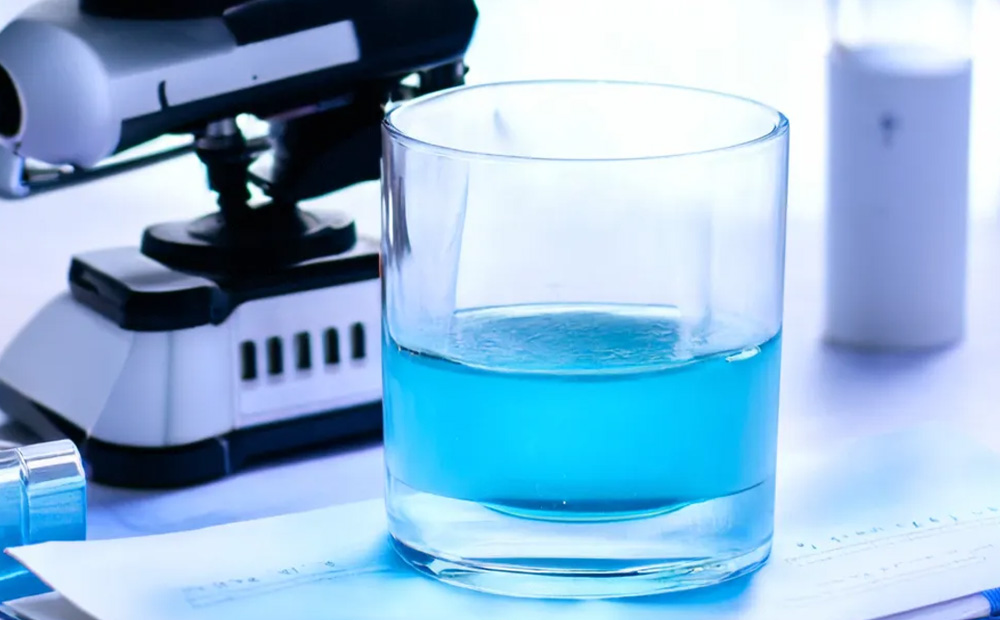
Flexographic UV varnish is a clear liquid coating applied over printed surfaces using flexographic printing equipment. The varnish is cured instantly using ultraviolet (UV) light, resulting in a hardened, protective layer. Flexo UV varnishes are available in different finishes, such as gloss, matte, and satin, and can be tailored to provide specific properties like scratch resistance or food safety.
The flexographic printing process involves flexible printing plates and is known for its speed, versatility, and ability to print on a wide range of substrates, making it an ideal platform for applying UV varnish.
Benefits of Using Flexographic UV Varnish
1. Enhanced Aesthetics
Flexo UV varnish significantly improves the visual appeal of printed materials. Its glossy finish adds shine and vibrancy to colors, while matte finishes create a sophisticated and subdued look. The result is a professional, polished product that grabs attention and enhances brand perception.
2. Protection and Durability
One of the primary reasons for using UV varnish is its ability to protect printed materials from damage. It creates a robust barrier against:
- Scratches and abrasions: Preventing wear and tear during handling and transportation.
- Moisture: Providing water resistance for applications like beverage labels or outdoor signage.
- Chemical exposure: Shielding materials from oils, solvents, and cleaning agents.
3. Instant Curing for Faster Production
UV varnishes cure almost instantly when exposed to UV light, unlike traditional varnishes that require drying time. This rapid curing process increases production efficiency, reduces bottlenecks, and allows for faster turnaround times.
4. Versatility Across Substrates
Flexographic UV varnish is compatible with a wide variety of materials, including:
- Paper and cardboard
- Plastics and films
- Metallic foils
- Flexible packaging materials
This versatility makes it a go-to solution for diverse printing needs, from food packaging to luxury labels.
5. Customization Options
UV varnishes can be customized to suit specific applications. For example:
- Textured varnishes can create tactile effects for labels and packaging, enhancing customer engagement.
- Spot varnishes allow selective application to highlight certain design elements, adding depth and contrast.
- Functional varnishes provide anti-slip, anti-microbial, or heat-resistant properties for specialized uses.
6. Eco-Friendly Alternative
Modern UV varnishes are formulated with fewer volatile organic compounds (VOCs), making them a more environmentally friendly choice compared to solvent-based coatings. Their instant curing process also reduces energy consumption in production, contributing to a greener printing process.
7. Improved Print Longevity
Flexo UV varnish extends the life of printed materials by preventing fading, discoloration, and degradation caused by UV light, moisture, or handling. This is particularly valuable for high-quality packaging, outdoor materials, or archival prints.
 StarColor Printing Ink
Leave a comment