
As the demand for safe and sustainable packaging grows, the need for food-grade inks has become a critical focus in the printing and packaging industry. These inks are specially formulated to meet stringent safety standards, ensuring they are suitable for use in food packaging and, in some cases, direct contact with food. Here’s a detailed look into what food-grade inks are, their applications, and why they matter.

What Are Food Grade Inks?
Food-grade inks are printing inks designed to comply with food safety regulations. They are formulated to minimize the risk of chemical migration from the ink into the food, ensuring consumer safety. These inks are non-toxic, odorless, and free from harmful heavy metals, solvents, or other hazardous substances.
Unlike standard printing inks, food-grade inks undergo rigorous testing and certification processes to meet international regulatory requirements, such as:
- FDA (Food and Drug Administration) standards in the United States.
- EU Food Contact Materials Regulation (EC No. 1935/2004) in Europe.
- Swiss Ordinance on materials and articles intended to come into contact with food.
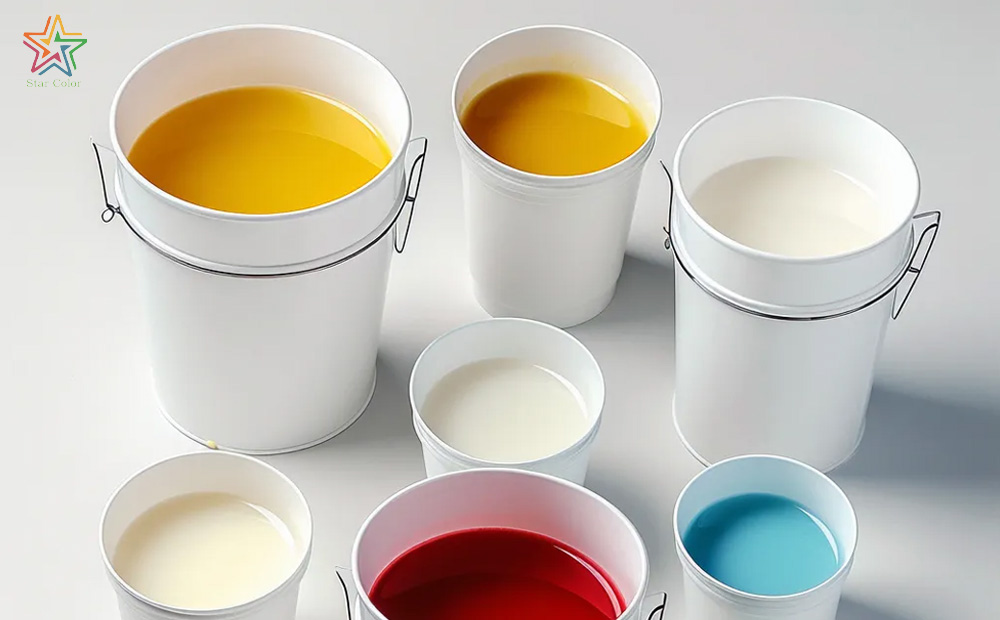
Key Features of Food Grade Inks
- Non-Toxic Formulation Food-grade inks are made from raw materials that are safe for human consumption and do not pose a health risk if they come into contact with food.
- Low Migration These inks are designed to prevent the migration of ink components into the food product, especially when used on packaging that directly contacts food.
- Odor and Taste Neutrality Food-grade inks do not alter the taste or smell of the food, ensuring product integrity and consumer satisfaction.
- Compliance with Regulations Manufacturers of food-grade inks ensure that their products adhere to stringent local and international food safety standards.
Types of Food Grade Inks
- Water-Based Inks Water-based inks are a popular choice for food packaging due to their low volatile organic compound (VOC) emissions and excellent safety profile. They are commonly used on flexible packaging, paper, and cardboard.
- UV-Curable Inks UV-curable inks are another widely used type of food-grade ink. They cure instantly under UV light, providing excellent durability, chemical resistance, and print quality.
- Edible Inks Edible inks are a subset of food-grade inks designed for direct application on food products. These inks are used for printing on cakes, candies, and other edible items and are made from food-safe, FDA-approved ingredients.
Applications of Food Grade Inks
Food-grade inks are essential in various applications within the food industry, including:
- Food Packaging: Used on flexible films, cartons, and containers to provide branding, nutritional information, and regulatory details.
- Direct Food Printing: For decorating baked goods, chocolates, and confections.
- Smart Packaging: For QR codes, expiration dates, and tamper-evident labels.
Challenges in the Food Grade Ink Industry
- Regulatory Complexity Adhering to diverse regulatory standards across countries can be challenging for ink manufacturers.
- Cost Implications Developing and certifying food-grade inks is more expensive than standard inks, which can increase production costs.
- Sustainability Goals Balancing safety with the demand for environmentally friendly inks is a growing challenge in the industry.
The Future of Food Grade Inks
- Sustainable Innovations With increasing focus on sustainability, the industry is shifting toward biodegradable and renewable ink formulations.
- Digital Printing Advances in digital printing are enabling the use of food-grade inks for high-quality, low-waste production.
- Smart and Functional Packaging Food-grade inks are being integrated into smart packaging solutions, enabling innovations like temperature-sensitive labels and interactive QR codes.
Food-grade inks are an essential component of modern food packaging, ensuring safety, compliance, and quality. As consumer demand for transparency and eco-friendliness grows, these inks will continue to evolve, playing a pivotal role in shaping the future of food packaging. By prioritizing innovation and sustainability, the industry is poised to meet the challenges of tomorrow while safeguarding public health.
 StarColor Printing Ink
Leave a comment