
The printing industry, particularly flexographic printing, has witnessed significant strides in sustainability as businesses seek eco-friendly solutions to reduce their environmental footprint. Flexographic printing, widely used for packaging applications, has evolved with innovations that prioritize efficiency, waste reduction, and the use of environmentally safe materials.
Understanding Flexographic Printing
Flexographic printing, or flexo printing, is a versatile and cost-effective technique used for packaging materials like:
- Flexible films (plastic, foil, and paper)
- Corrugated boxes
- Labels and tags
Known for its speed and adaptability, flexographic printing is a popular choice for high-volume production. However, its traditional reliance on solvent-based inks and non-recyclable substrates has raised environmental concerns, driving the need for sustainable alternatives.
Eco-Friendly Innovations in Flexographic Printing
1. Water-Based Inks
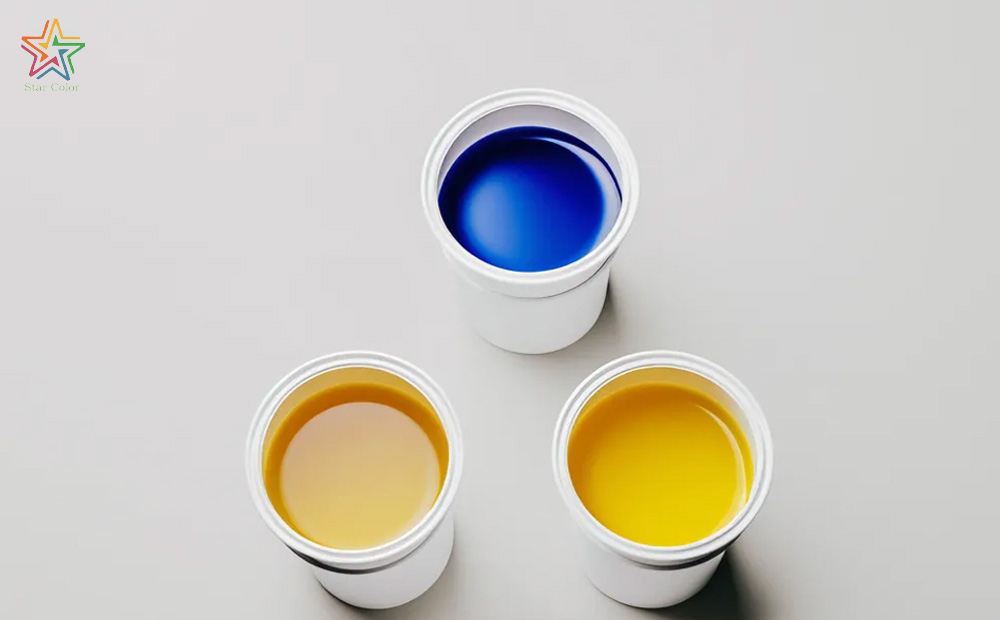
Water-based inks have emerged as a key innovation in flexographic printing, offering significant environmental benefits:
- Low VOC Emissions: Unlike solvent-based inks, water-based inks reduce harmful volatile organic compounds (VOCs) released into the air.
- Safe for Food Packaging: These inks comply with food safety regulations, making them ideal for food and beverage packaging.
- Easy Disposal: Water-based inks are easier to dispose of and minimize environmental contamination.
Example:
Huizhou Zhongzhixing Water-Based Ink is a pioneer in producing eco-friendly inks for flexographic printing, combining vibrant colors with low environmental impact.
2. Biodegradable and Compostable Substrates
The use of biodegradable and compostable materials has transformed flexographic printing into a more sustainable process. These substrates break down naturally, reducing landfill waste. Examples include:
- Plant-Based Films: Derived from renewable resources like cornstarch or cellulose.
- Recycled Paper: Made from post-consumer waste for sustainable packaging.
3. Energy-Efficient UV-Curable Inks
UV-curable inks are another eco-friendly innovation, offering:
- Energy Efficiency: UV curing requires less energy than traditional drying methods.
- Low Emissions: These inks produce minimal VOCs, aligning with sustainability goals.
- Durability: High resistance to fading and scratching, reducing the need for reprints.
4. Digital Plate Technology
Advancements in digital plate-making technology have streamlined the flexographic printing process, resulting in:
- Reduced Waste: Precise plate production minimizes material usage.
- Improved Quality: High-resolution plates enhance print clarity, reducing the need for corrections.
- Eco-Friendly Materials: Plates made from recyclable or less toxic materials contribute to sustainability.
5. Closed-Loop Systems for Waste Reduction
Flexographic printers are adopting closed-loop systems to reduce waste and conserve resources:
- Ink Recirculation: Recycles unused ink to minimize waste.
- Solvent Recovery: Captures and reuses solvents to lower emissions.
- Water Recycling: Systems that clean and reuse water in the printing process.
6. Sustainable Cleaning Solutions
Traditional cleaning methods often involve harsh chemicals that harm the environment. Innovations include:
- Eco-Friendly Cleaners: Biodegradable cleaning agents reduce chemical waste.
- Automated Cleaning Systems: Efficient systems that use less water and cleaning agents.
7. Lightweight Packaging Design
Flexographic printing has enabled the production of lightweight packaging, reducing material consumption and transportation emissions:
- Thin Films: Durable yet lightweight films reduce plastic usage.
- Optimized Packaging: Designs that minimize material without compromising functionality.

Benefits of Eco-Friendly Flexographic Printing
- Environmental Protection: Reduces carbon footprint, waste, and toxic emissions.
- Cost Efficiency: Innovations like water-based inks and closed-loop systems reduce production costs over time.
- Regulatory Compliance: Meets stringent environmental and safety standards, such as EU REACH and FDA regulations.
- Consumer Appeal: Sustainable packaging resonates with eco-conscious consumers, enhancing brand loyalty.

How to Implement Eco-Friendly Practices in Flexographic Printing
- Partner with Sustainable Suppliers: Choose suppliers offering certified eco-friendly inks, substrates, and cleaning agents.
- Invest in Technology: Upgrade to energy-efficient equipment and digital plate-making technologies.
- Train Staff: Ensure operators are skilled in using new materials and technologies effectively.
- Monitor Performance: Regularly evaluate the environmental and economic impact of your printing processes.
Flexographic printing is undergoing a green revolution, driven by innovations like water-based inks, biodegradable substrates, and energy-efficient technologies. These advancements not only reduce environmental impact but also align with consumer and regulatory demands for sustainable practices.
Manufacturers like Huizhou Zhongzhixing Water-Based Ink are at the forefront of this transformation, offering solutions that balance performance, cost, and sustainability. By embracing eco-friendly innovations, businesses can ensure a greener future while staying competitive in the evolving packaging industry.
 StarColor Printing Ink
Leave a comment