
In the food industry, packaging plays a crucial role not only in protecting products but also in ensuring safety and compliance with health regulations. When it comes to labeling, the choice of ink is just as important as the material itself. Non-toxic, food-safe printing inks are essential for creating labels that come into direct contact with food products.
What Are Non-Toxic, Food-Safe Printing Inks?
Non-toxic, food-safe printing inks are specially formulated to ensure that they do not pose any health risks when they come into contact with food. These inks are created using safe, approved ingredients that meet stringent food safety standards set by regulatory bodies like the U.S. Food and Drug Administration (FDA), the European Food Safety Authority (EFSA), and others.
These inks are designed to be used on food packaging materials like labels, boxes, and wrappers, ensuring that any trace of the ink does not leach into the food product.
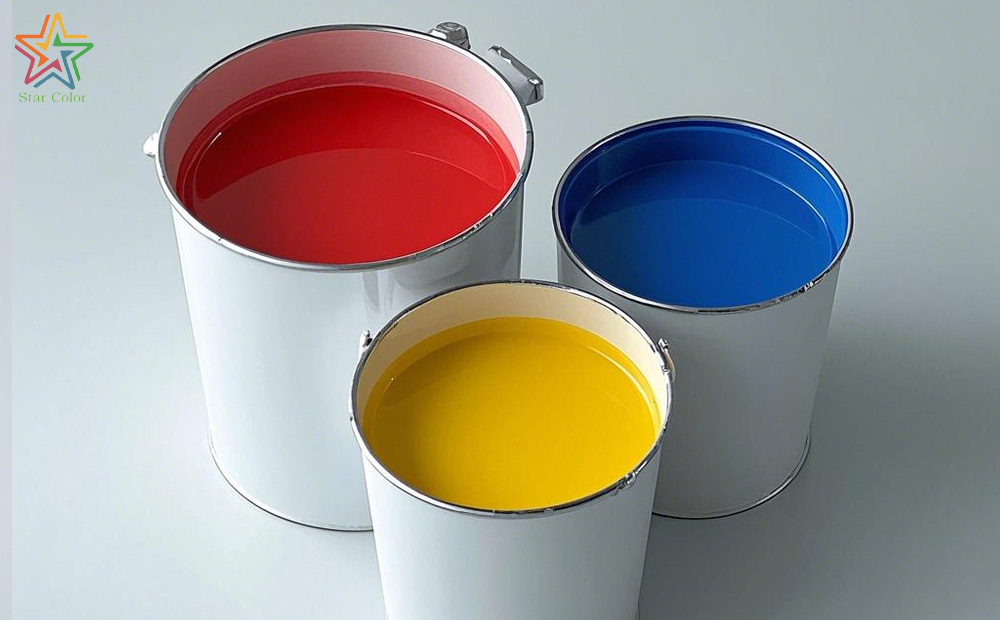
Key Properties of Food-Safe Printing Inks
- Non-Toxic Composition
- Food-safe inks are made from pigments and additives that are certified to be safe for human consumption.
- Free from harmful chemicals such as heavy metals, lead, and phthalates.
- They comply with regulations ensuring that the ink won’t migrate from the packaging into the food.
- Odorless and Tasteless
- Designed to avoid altering the taste or smell of the packaged food, ensuring a neutral experience for consumers.
- Quick Drying and Smudge-Resistant
- These inks dry quickly after printing, which is critical for preventing smudging and ensuring that the printed label maintains its appearance during storage and transport.
- Durability
- Food-safe inks are often formulated to be resistant to moisture, temperature fluctuations, and abrasion. This makes them ideal for products that will be handled frequently or exposed to various environmental conditions.
Types of Non-Toxic, Food-Safe Printing Inks
- Water-Based Inks
- Composition: Made using water as the primary solvent with pigments and resins added for color and adhesion.
- Applications: Commonly used for food packaging like paperboard boxes, cartons, and labels for dry or refrigerated foods.
- Advantages: Eco-friendly, low in volatile organic compounds (VOCs), and generally safe for use on a wide range of food packaging materials.
- Soy-Based Inks
- Composition: Derived from soybeans, these inks are made using natural, renewable resources.
- Applications: Often used in printing on food packaging, particularly for organic or eco-conscious brands.
- Advantages: Low VOC content, biodegradable, and offers a non-toxic alternative to traditional petroleum-based inks.
- UV-Curable Inks
- Composition: These inks use ultraviolet (UV) light to cure or dry the ink on the printed substrate.
- Applications: Used in specialized food packaging that requires fast curing, such as plastic packaging or labels on products like beverages.
- Advantages: Highly durable, resistant to fading, and provides a glossy finish; however, they are generally used for indirect food contact (such as external labels, not directly on food).
- Edible Inks
- Composition: Made from food-grade ingredients such as pigments and edible carriers.
- Applications: Used for printing directly on food products, such as cakes, cookies, or edible decorations.
- Advantages: Completely safe for direct consumption, with no risk of contamination.
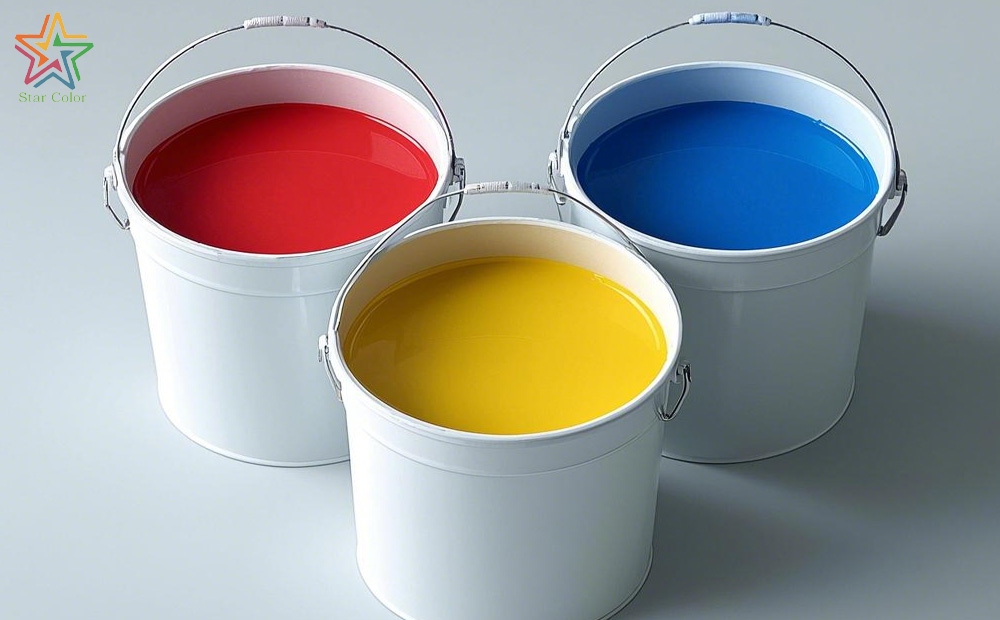
Why Choosing Non-Toxic, Food-Safe Inks Is Important
- Health and Safety Compliance
- Food packaging and labeling must comply with strict safety standards to avoid the risk of contamination. Non-toxic inks ensure that food products remain safe for consumption and do not transfer harmful chemicals.
- Brand Integrity and Consumer Trust
- Consumers are becoming increasingly aware of the ingredients and materials used in packaging. Using non-toxic, food-safe inks helps to build brand trust and demonstrates a commitment to product safety and sustainability.
- Environmental Impact
- Many non-toxic, food-safe inks, such as water-based or soy-based inks, are also more environmentally friendly compared to traditional petroleum-based inks. They contribute to reducing the environmental impact of packaging.
- Sustainability
- The demand for sustainable and organic products is rising. Brands that prioritize non-toxic, eco-friendly inks on their packaging can differentiate themselves in the marketplace and appeal to environmentally-conscious consumers.
Non-toxic, food-safe printing inks are a critical component of food packaging, ensuring that products remain safe, compliant, and appealing to consumers. By understanding the types of food-safe inks and their properties, food manufacturers can choose the most appropriate ink for their packaging needs. Whether for labels, direct food printing, or eco-friendly packaging, the use of non-toxic inks is vital for both health and sustainability in the food industry.
 StarColor Printing Ink
Leave a comment