
Against the dual backdrop of global carbon neutrality goals and the booming e-commerce economy, the corrugated packaging industry is undergoing profound technological transformation. As a cutting-edge technology in printing, water-based inkjet has revolutionized environmental standards and production efficiency, reshaping industry competition dynamics. This article delves into the core advantages, practical applications, and future development trends of this technology.
I. From Policy-Driven to Market-Driven: The Rise of Water-Based Inkjet Technology
Data from China Packaging Federation reveals that China’s corrugated box production reached 450 billion square meters in 2024. However, traditional printing processes incur significant environmental costs—solvent-based inks alone emit over 3 million tons of VOCs annually. With the implementation of China’s Printing Industry Volatile Organic Compounds Emission Standards, enterprises face dual pressures: environmental compliance and cost control.
The breakthrough of water-based inkjet lies in its water-based formulation (Water-based Ink), which employs nanoscale dispersion technology to stabilize pigment particles. This ink not only reduces VOC emissions by over 90% (exceeding EU EC 1223/2009 standards) but also achieves FDA 21 CFR 175.300 food contact certification, enabling safe use in direct food packaging.
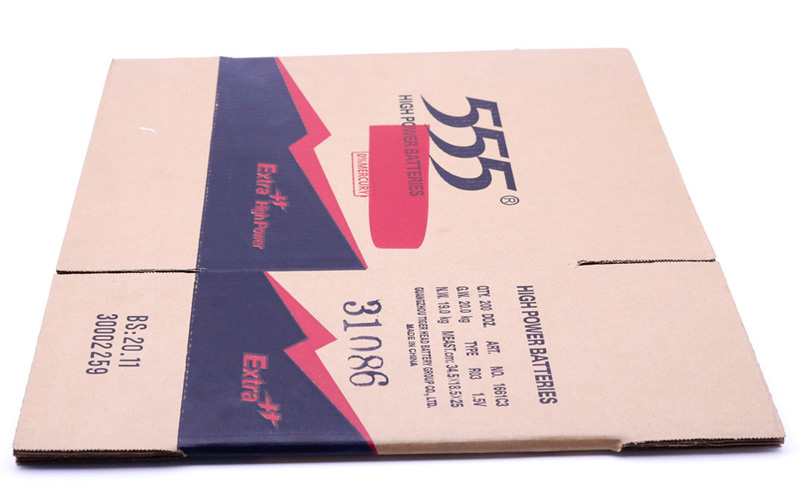
II. Technological Innovation: Breaking Three Boundaries of Traditional Printing
- Revolutionizing Environmental Performance
Traditional printing facilities require costly VOC treatment equipment, while water-based inkjet eliminates over 90% of VOC emissions. A leading packaging enterprise reported a 65% reduction in environmental equipment investment and annual savings exceeding RMB 2 million after adoption. - Boosting Production Efficiency
Digital printing enables 1-piece printing. According to Heidelberg’s digital printing white paper, inkjet equipment supports variable data printing (VDP), shortening order response cycles to 24 hours. It also facilitates dynamic QR codes, anti-counterfeiting barcodes, and other value-added functions tailored for e-commerce logistics. - Advancing Print Quality
With resolutions of 600–1200 dpi and 90% color gamut coverage (Pantone Goe system), complex patterns are reproduced with unprecedented precision. A case study by a liquor packaging company demonstrated that combining CMYK + white inks achieved metallic texture effects on dark corrugated boards, earning international design awards.
III. Diversified Application Scenarios
- Intelligent Upgrades in E-commerce Logistics
In JD Logistics’ supply chain network, water-based inkjet enables real-time code assignment for shipping boxes. Dynamic QR codes enhance traceability and reduce counterfeit rates, with a pilot area seeing miscode rates drop from 3.2% to 0.25%. - Artistic Expression in Premium Packaging
Tactile embossing technology creates 0.1–0.3 mm textures through multi-layer inkjet stacking. Combined with reversible thermochromic inks (25–45°C color change range), a wine packaging campaign increased consumer engagement by 40% and repeat purchases by 15%. - Functional Innovation in Industrial Packaging
Nanoscale titanium dioxide additives achieve ISO 105-B02 UV resistance level 7, ensuring 3-year colorfastness in Southeast Asia’s harsh climates. This breakthrough redefines industrial packaging design standards.
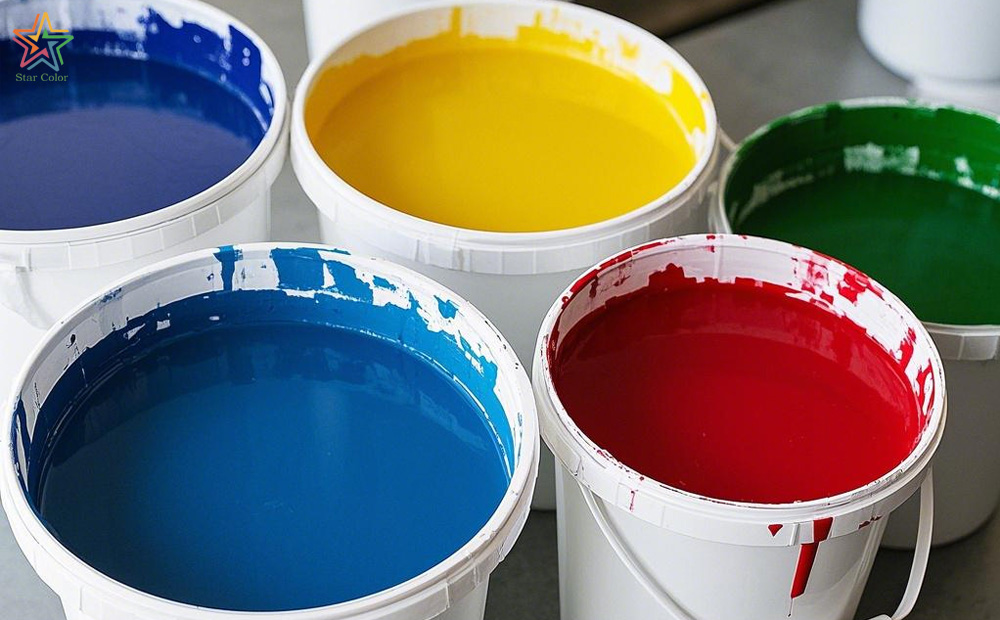
IV. Technical Challenges and Industry Breakthroughs
Despite its advantages, water-based inkjet faces hurdles such as ink instability in high-humidity environments and tension control variations across different corrugated board types.
Industry solutions are emerging:
- Jiangnan University’s collaborative water-based ink lab developed E-flute-specific inks.
- The National Standardization Management Committee issued GB/T 35614-2023, standardizing equipment selection and process optimization.
V. Future Trends: Technological Integration and Industrial Restructuring
Grand View Research predicts global water-based ink market growth at 6.8% CAGR (2025–2030). Key technological advancements include:
- Ultra-High-Speed Printing: Industrial presses exceeding 120 m/min (e.g., HP PageWide T250 HD).
- Functional Expansion: Conductive inks for IoT labels, antimicrobial inks for medical packaging.
- Smart Upgrades: AI-driven scheduling systems reducing downtime and boosting OEE to 85%+.
Water-based inkjet is not merely a policy-driven choice but a core driver of high-quality development in corrugated packaging. As equipment costs decline (40% lower than 2019) and process maturity improves, this technology will transition from high-end customization to industry-wide adoption. Ultimately, green printing and intelligent manufacturing will reshape the entire industry’s value chain.
 StarColor Printing Ink
Leave a comment