
I. Introduction: Technology Advancements Driven by Food Safety
With the rapid growth of the global food industry, the safety of food packaging materials has become a major concern for both consumers and regulatory bodies. Statistics indicate that more than 3,000 food safety incidents related to packaging material migration occur annually worldwide, affecting beverages, dairy products, baked goods, and more. According to the European Food Safety Authority (EFSA), traditional inks containing benzene-based solvents, heavy metals, and polycyclic aromatic hydrocarbons (PAHs) may penetrate food under specific conditions, posing a long-term carcinogenic risk. In response, the European Union introduced Regulation (EU) 10/2011 on plastic materials intended to come into contact with food, setting strict limits on migration substances in inks. Similarly, regulatory agencies such as the U.S. FDA and China’s GB 4806.10 have imposed stricter migration limits. The development and application of low migration inks have become a key solution to these challenges.
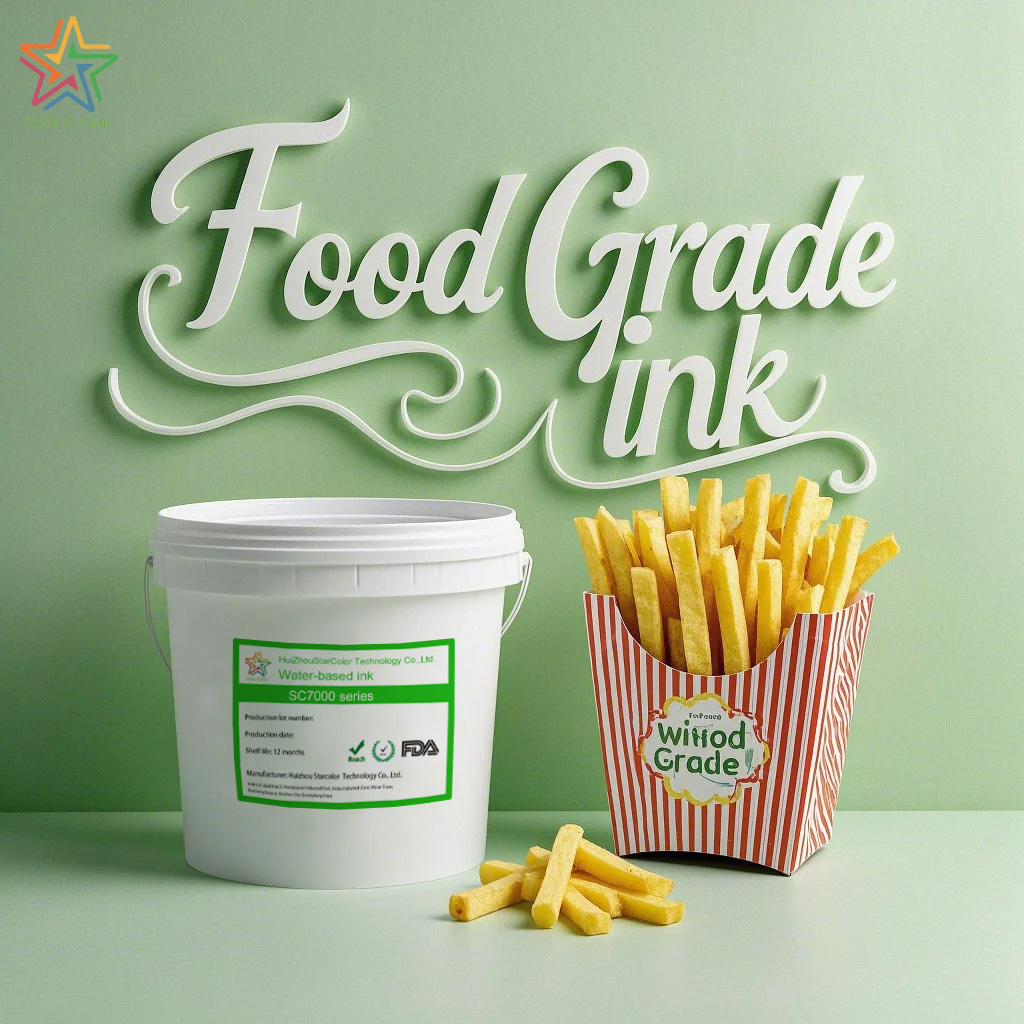
II. Technological Innovations and Characteristics of Low Migration Inks
Low migration inks achieve precise control over migration risks through molecular design and process optimization. Their core technologies include:
- Supramolecular Bonding Technology: Nanostructured cross-linking secures pigment molecules within the resin matrix, significantly reducing migration rates. Lab tests show that inks utilizing this technology have migration levels 1/50th of those in traditional inks.
- Solvent Replacement Strategy: Water-based or alcohol-based solvents replace hazardous solvents such as toluene and xylene. A German company developed an ethanol-based ink that reduces VOC emissions by 92%.
- Microencapsulation Technology: Functional components are encapsulated in microspheres (1-10 µm in diameter) to regulate migration through a controlled-release mechanism, making them ideal for high-temperature sterilization packaging.
Key Advantages Over Traditional Inks:
- Lower Migration Thresholds: EU regulations require migration levels ≤ 0.01 mg/kg, while low migration inks typically achieve ≤ 0.001 mg/kg.
- Resistance to Extreme Conditions: Maintains chemical stability between -40°C and 121°C, making it suitable for cold chain logistics and high-temperature retort packaging.
- Odor Control Technology: Molecular sieve adsorption and high-temperature degassing reduce VOC residues to below 0.1 ppm, preventing food contamination through odor transfer.
III. Diverse Applications of Low Migration Inks
1. Revolutionizing Soft Packaging Printing
In the snack food packaging sector, Japan’s Toppan Printing developed low migration gravure inks, achieving an ultra-thin ink layer of 0.5 g/m², while meeting the FDA’s No Significant Risk Level (NSRL) requirements. For liquid food packaging, a Swiss company introduced three-layer co-extrusion film technology, encapsulating ink between barrier layers, reducing migration rates by 98% compared to traditional methods.
2. Green Transformation of Paper-Based Packaging
U.S.-based Stora Enso introduced water-based low migration inks for pizza box printing, achieving zero VOC emissions. These inks utilize renewable soybean oil-based resins, improving print gloss by 30% and earning ASTM D6400 compostability certification, reducing decomposition cycles to 60 days.
3. Precision Control for Labels and Shrink Sleeves
French company Sidel developed UV low migration inks for mineral water labels, offering a curing speed of 150 meters per minute and over 10,000 abrasion cycles. Its specialized photoinitiator system prevents free radical residues and is LFGB-certified for food contact compliance in Germany.
4. Innovations in Composite Packaging
A Chinese aluminum foil packaging manufacturer adopted nano-composite inks, achieving an ultra-thin 0.2 µm ink layer, reducing oxygen transmission rates to <0.5 cm³/(m²・day), and meeting EU AP (2004) directive limits for migration.
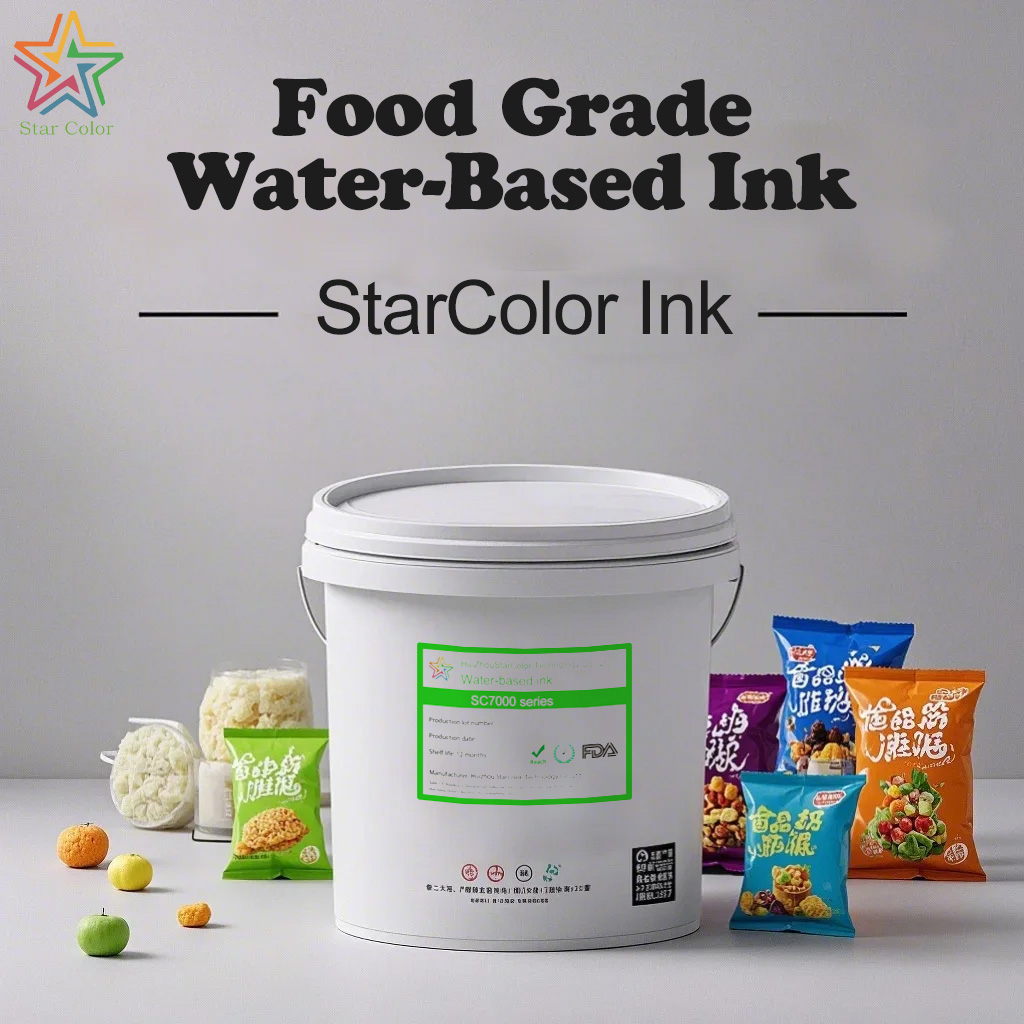
IV. Technological Advancements and Industry Trends
1. Expansion of Eco-Friendly Ink Market
According to Grand View Research, the global water-based low migration ink market is projected to reach $4.8 billion by 2025, with a CAGR of 7.2%. The Asia-Pacific region will dominate, capturing over 40% of the market, driven by rapid growth in the food industry.
2. Smart Upgrades in UV Technology
German company Heraeus introduced LED-UV low migration inks, reducing energy consumption by 60% while enhancing curing efficiency to 200 meters per minute. Integrated online monitoring systems enable real-time adjustments to curing parameters, ensuring consistent migration control.
3. Breakthroughs in Bio-Based Inks
Dutch firm DSM developed a PLA (polylactic acid)-based ink with 75% bio-based content, meeting the USDA BioPreferred certification. This ink is now widely used in biodegradable food packaging.
4. Global Harmonization of Regulations and Standards
The International Organization for Standardization (ISO) is drafting ISO 21469, which aims to unify global migration testing standards. Meanwhile, China’s GB 9685-2023 revised its food contact ink regulations, expanding the migration substance list from 58 to 126 compounds and tightening limits by an average of 40%.
V. Conclusion: Building a Sustainable Food Protection System
The widespread adoption of low migration inks marks a strategic shift in the food packaging industry from functional performance to safety and sustainability. As advancements in nanotechnology, artificial intelligence, and bioengineering continue, low migration inks will evolve toward smart, biodegradable solutions. Companies must leverage technological innovation and regulatory compliance to establish an end-to-end safety framework, providing consumers with “visible safety” and “tangible sustainability.”

Zhongzhixing Food-Grade Ink: A Benchmark in Safe Printing
Among the many low migration ink solutions available, Zhongzhixing Food-Grade Ink has emerged as a top industry choice due to its cutting-edge technology and superior product performance. Zhongzhixing offers both water-based and UV low migration inks, featuring:
- Comprehensive Certification: Compliant with U.S. FDA, EU, and China GB 4806.10 standards, making it suitable for direct-contact applications such as dairy products and infant food packaging.
- Sustainable Development: Contains 60% bio-based resin, supports recyclable water-based cleaning agents, and reduces carbon emissions by 45% compared to traditional processes.
 StarColor Printing Ink
Leave a comment