
As environmental concerns continue to rise and printing technology advances, water-based ink is gradually making its way into the digital inkjet printing industry. However, many people still wonder: Can digital printing actually use water-based ink?
1. What is Water-Based Ink?
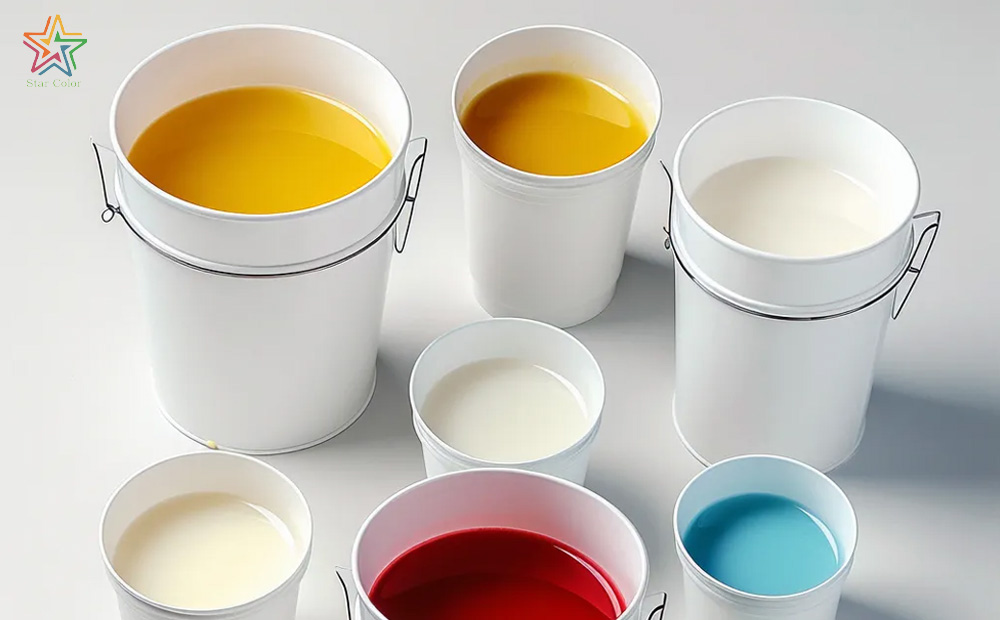
Water-based ink primarily uses water as a solvent. Compared to traditional solvent-based inks, its biggest difference is the elimination of volatile organic compounds (VOCs) as solvents. Its core components mainly include water-soluble resins, pigments, and additives. The water-soluble resin provides excellent film-forming properties and adhesion; the pigments determine the ink’s color, while additives enhance various performance aspects, such as fluidity and drying speed.
Water-based ink has several outstanding characteristics. First, it is low in toxicity, significantly reducing potential health risks. Traditional solvent-based inks release pungent odors due to the evaporation of organic solvents, which can be harmful to the respiratory and nervous systems of printing workers upon prolonged exposure. The low toxicity of water-based ink makes the working environment safer and healthier.
Second, water-based ink has a low odor, making it particularly advantageous for printing applications in scent-sensitive environments, such as hospitals and schools.
Finally, water-based ink is easy to clean. During routine maintenance of printing equipment, water-based ink residues can be cleaned using water alone, simplifying the process and avoiding the need for large amounts of organic solvents, which helps prevent environmental pollution. These characteristics make water-based ink a sustainable choice in the printing industry.
2. Can Digital Printing Use Water-Based Ink?
The answer is yes! With advancements in modern technology, digital printing equipment—particularly inkjet printers—now widely supports water-based ink. This is made possible by several technical advantages:
Precision Inkjet Technology
Water-based ink can be precisely sprayed onto various media, including paper and packaging materials. Unlike traditional printing methods that require complex plate-making processes, inkjet printing eliminates the need for plates. Traditional plate-making is time-consuming and costly, especially for personalized and short-run printing needs. With precise inkjet technology, every droplet of ink is accurately placed, ensuring sharp prints whether for intricate graphics or small text.
Fast Drying
Most digital printing devices come equipped with built-in drying systems, which help water-based ink dry quickly upon application. These drying systems enhance ink penetration and solidification, reducing smudging compared to traditional drying methods.
Compatibility with Various Materials
Another major advantage of water-based ink in digital printing is its compatibility with different materials. It is suitable for coated paper, art paper, and even adhesive labels. In some cases, it can also be used on select plastic and textile substrates.
3. Five Key Advantages of Using Water-Based Ink in Digital Printing
Eco-Friendly and Safe
From an environmental perspective, water-based ink stands out significantly. According to the International Printing Association, VOC emissions from water-based ink are over 80% lower than those from traditional inks. This directly highlights the ink’s contribution to reducing environmental pollution.
With increasingly strict global environmental regulations, water-based ink complies with standards such as the EU’s REACH and the U.S. EPA guidelines. In the food packaging industry, safety is paramount. Harmful substances from traditional inks can migrate into food, posing health risks. Water-based ink, with its non-toxic and pollution-free properties, is the ideal solution for safe food packaging.
Excellent Color Performance
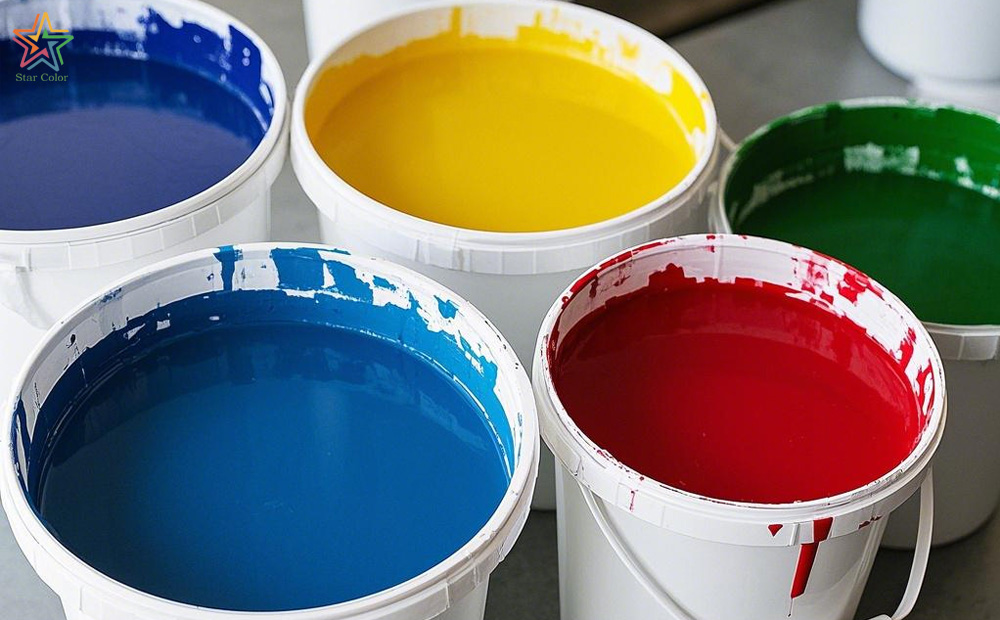
Water-based ink delivers exceptional color performance due to its fine pigment particles, enabling a broader color gamut and higher resolution. It is particularly advantageous for high-end publications like photography books and premium brochures.
Imagine a stunning photography book where the colors appear vivid and layered, almost transporting the viewer into the scene. This is the level of quality water-based ink can achieve. Unlike traditional inks, water-based ink accurately reproduces real-world colors, maintaining high detail in both highlights and shadows for an immersive visual experience.
Cost-Effective
While water-based ink may appear more expensive per liter than traditional inks, its overall long-term cost is lower. Due to its minimal VOC emissions, companies can save substantial costs on VOC treatment and environmental compliance.
4. Recommended Applications
Packaging Printing
In the packaging industry, food and cosmetics packaging demands high environmental standards. Since food packaging directly contacts food, its safety is critical. Water-based ink’s non-toxic and eco-friendly nature makes it ideal for food-safe printing. Many premium chocolate brands now use water-based ink for packaging, ensuring both safety and aesthetic appeal.
For cosmetics packaging, consumers increasingly prefer environmentally friendly and safe products. Using water-based ink not only meets sustainability goals but also enhances brand image. The vivid graphics and fine text printed with water-based ink help attract consumers’ attention.
Publication Printing
For books and magazines, color accuracy is crucial. Whether illustrating a children’s book or printing a science magazine, water-based ink ensures vibrant and realistic images. It enhances reading experiences by bringing illustrations and photographs to life with sharp details and rich colors.
Commercial Printing
Flyers, business cards, and promotional materials require fast turnaround times. Businesses often need large quantities of promotional materials within a short period. Digital printing combined with water-based ink meets this demand efficiently.
Water-based ink’s superior color quality makes promotional flyers more visually appealing and readable, maximizing marketing impact. Custom business cards printed with water-based ink provide a premium look while supporting sustainable printing practices.
Creative Printing
The creative printing sector is rapidly growing, with increasing demand for personalized gifts and artistic prints. Water-based ink is ideal for custom designs on wood, ceramics, and other specialty materials.
For example, many custom gift shops use digital printing to create unique products like personalized mugs and keychains. Water-based ink ensures high print quality while aligning with eco-friendly values.
5. The Future of Water-Based Ink in Green Printing
According to market research firm Smithers, the global water-based ink market is expected to exceed $12 billion by 2025, with digital printing as a key driver. As technology advances, water-based ink’s current limitations are being addressed.
For example, in terms of water resistance, new water-based resin formulations have significantly improved ink durability, enabling its use in outdoor applications like billboards and vehicle wraps. In terms of adhesion, optimized ink formulas and printing techniques have enhanced water-based ink’s bonding strength with various materials, reducing peeling and wear over time.
In the future, water-based ink is likely to replace solvent-based ink entirely. This shift aligns with global sustainability trends and presents new growth opportunities for the printing industry. By adopting water-based ink and digital printing technology, printing businesses can enhance their competitiveness while meeting consumer demands for eco-friendly, high-quality print products.
 StarColor Printing Ink
Leave a comment