
Introduction: The Latin American Printing Powerhouse
As the largest economy in Latin America, Brazil’s printing market is undergoing structural transformation and rapid growth. According to Grand View Research, the Brazilian custom printing market reached $9.455 billion in 2023 and is projected to exceed $16.287 billion by 2030, with a compound annual growth rate (CAGR) of 8.1%. This expansion is fueled by both the resurgence of export-oriented industries and domestic consumption upgrades, paired with technological innovation. This article explores key trends, technological advancements, and the application prospects of eco-friendly inks (specifically water-based and UV inks) in Brazil’s printing sector, offering strategic insights for industry stakeholders.
I. Market Overview: Export and Domestic Demand as Twin Engines
1. Packaging Printing Leads Growth
Packaging printing accounts for over 40% of the market share, serving as the primary growth driver. Data from 2024 shows a year-on-year increase of 8% in the total shipment of corrugated boxes, packaging paper, and related materials, surpassing expectations. This growth is primarily attributed to surging food exports—from January to May 2024, Brazil’s processed food exports surged by 50.8% year-on-year to 15.6 million tons, directly boosting demand for packaging materials. Additionally, the booming e-commerce industry (with 3.69 billion checkouts in 2022) has spurred demand for customized packaging and label printing.
2. The Rise of Digital Printing
Digital printing is emerging as a new growth point in Brazil. In 2023, digital printing accounted for 30% of revenue in the custom printing sector, with a projected CAGR of 3.6% from 2024 to 2030. Technological innovations such as high-speed inkjet printing, AI-driven color management systems, and personalized customization solutions have accelerated the adoption of digital printing in apparel, labels, and advertising. For example, the 2024 FuturePrint exhibition attracted over 600 exhibitors, highlighting the integration of digital printing equipment with eco-friendly inks.

II. Key Growth Drivers
1. Recovery of Export-Oriented Economy
Brazil’s currency depreciation (a 4.8% appreciation against the USD from January to May 2024) has enhanced export competitiveness. From January to April 2024, paper packaging exports increased by 19.5% year-on-year to 318,000 tons, with kraft paper exports rising by 15.3%. Meanwhile, growth in industrial food exports (e.g., meat, dairy products) has directly driven demand for secondary packaging like corrugated boxes.
2. Environmental Awareness Drives Technological Upgrades
As consumer focus on sustainability grows, Brazil’s printing industry is accelerating its transition to eco-friendly solutions. Water-based and UV inks have become the top choices for packaging due to their low VOC emissions, strong adhesion, and food-contact safety. For instance, a Brazilian printing company adopted Bobst Novafold 110 equipment with water-based inks in 2023, achieving low-carbon packaging production.
3. Explosion of E-Commerce and On-Demand Printing
Brazil’s on-demand printing market is projected to grow at a CAGR of 24.5% from 2024 to 2030, driven by rising demand for personalization. Digital printing technologies (e.g., HP Indigo series) support small-batch, diverse orders, while the rapid curing properties of UV inks further improve production efficiency to meet e-commerce platforms’ time-sensitive requirements.
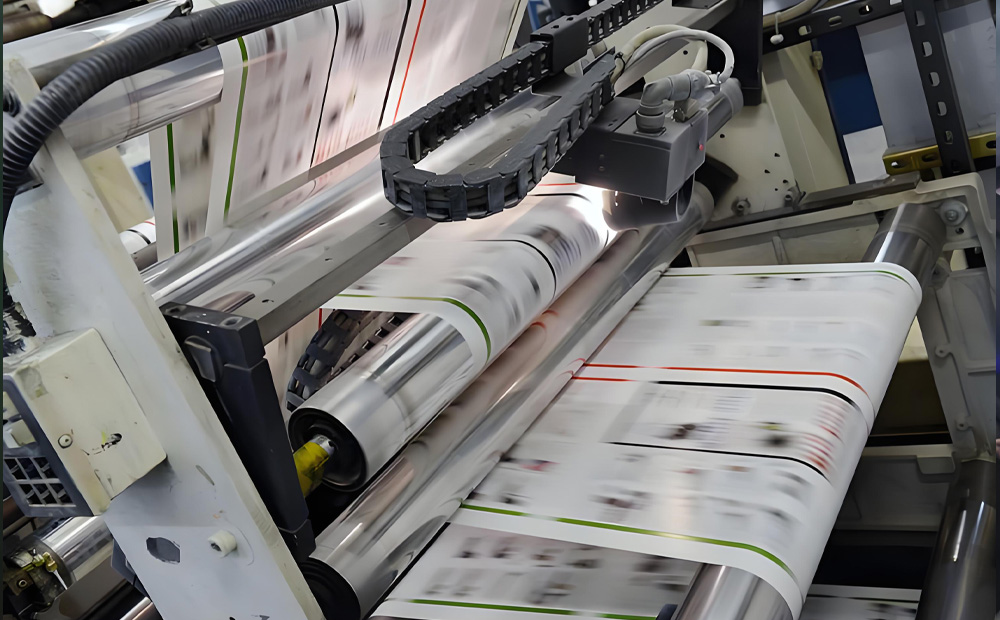
III. Technological Trends: Eco-Friendly Inks and Smart Transformation
1. Water-Based Inks: The Core of Sustainable Packaging
Water-based inks are widely used in food and pharmaceutical labels due to their environmental advantages. Their VOC- and heavy metal-free formulations comply with EU RoHS and U.S. FDA standards. Data from the 2024 Brazil Packaging Show revealed that over 60% of exhibitors showcased water-based ink solutions, particularly breakthroughs in adhesion technology for films and synthetic materials.
2. UV Inks: Balancing Speed and Versatility
UV inks have become the mainstream choice for advertising and digital printing due to their instant curing, high gloss, and weather resistance. In Brazil, UV inks are used in outdoor billboards, vehicle wraps, and electronics labels. For example, Agfa’s Onset 560 inkjet printer, launched in 2023 with new UV inks, achieves a 20% ink reduction, further improving cost-effectiveness.
3. Integration of Smart Technology and Industry 4.0
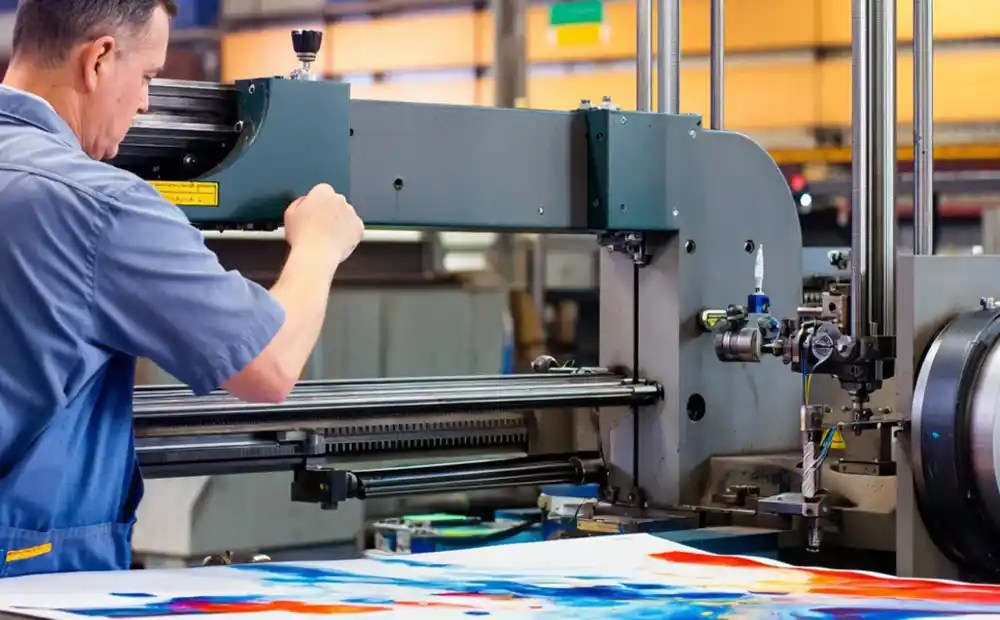
AI and IoT technologies are reshaping Brazil’s printing industry. ET Irama’s SPS3 flexographic press, for instance, integrates real-time production monitoring systems to reduce downtime through predictive maintenance. Blockchain technology is also being used to track ink supply chains, ensuring transparency in sustainability certifications.
IV. Regional Markets and Competitive Landscape
1. São Paulo: The Heart of Industrial Clusters
As Brazil’s economic hub, São Paulo is home to 40% of the nation’s printing enterprises, covering packaging, advertising, and digital printing. The 2024 FuturePrint exhibition held here attracted global brands like Cimpress and Canva, showcasing cutting-edge technologies.
2. Competition Between Multinationals and Local Players
International giants like Sun Chemical and Hubergroup dominate high-end markets with technological advantages, while local companies such as Mali Res Gráfica lead mid-to-low-end segments through cost efficiency. Market competition is driving rapid technological upgrades; for example, INX International Ink invested in a new solvent-based ink plant in Brazil in 2024 to meet packaging industry demands.
V. Challenges and Future Outlook
1. Economic Uncertainty and Inflation Pressures
Brazil’s high-interest-rate policies (aimed at curbing inflation) may impact corporate investment capabilities. Additionally, weak domestic durable goods demand in 2024 has led to high inventories, necessitating export-driven capacity utilization.
2. Sustainability and Compliance Requirements
As the Brazilian government promotes circular economy policies, printing enterprises must further optimize ink formulations and production processes to meet stricter environmental regulations. For example, by 2025, packaging materials will be required to contain a minimum of 30% recycled content.
3. Future Opportunities
- Packaging Innovation: Biodegradable materials and smart packaging (e.g., temperature-sensitive labels) will emerge as growth areas.
- Digital Printing Expansion: Demand for interactive packaging incorporating AR technology is on the rise.
- Cross-Border E-Commerce Dividends: Brazil’s printing products have significant export potential to other Latin American countries via platforms like Mercado Libre.
Conclusion: Embracing Green and Digital Transformations
Brazil’s printing market is at a critical juncture, transitioning from traditional models to high-value, sustainable solutions. The adoption of water-based and UV inks is not only an environmental imperative but also a core strategy to enhance product competitiveness. As technological innovation and market demand continue to evolve, companies must increase R&D investment, implement smart production systems, and actively explore export markets to capitalize on Latin America’s printing growth opportunities.
 StarColor Printing Ink
Leave a comment