
In the printing industry, terms like gravure and rotogravure are often used interchangeably, leading to confusion. While both refer to intaglio printing methods, their specific applications and technical nuances differ significantly. This article clarifies these differences, explores their unique characteristics, and provides insights into their industrial uses.
1. Definitions and Core Concepts
What is Gravure Printing?
Gravure (or photogravure) is an intaglio printing process where the image is engraved into a printing plate. The recessed cells hold ink, which is transferred to the substrate under high pressure. Key features:
- Plate Type: Flat or cylindrical plates.
- Ink Application: Cells etched into the plate hold ink; excess ink is wiped off.
- Use Cases: Fine art prints, stamps, specialty packaging.
What is Rotogravure Printing?
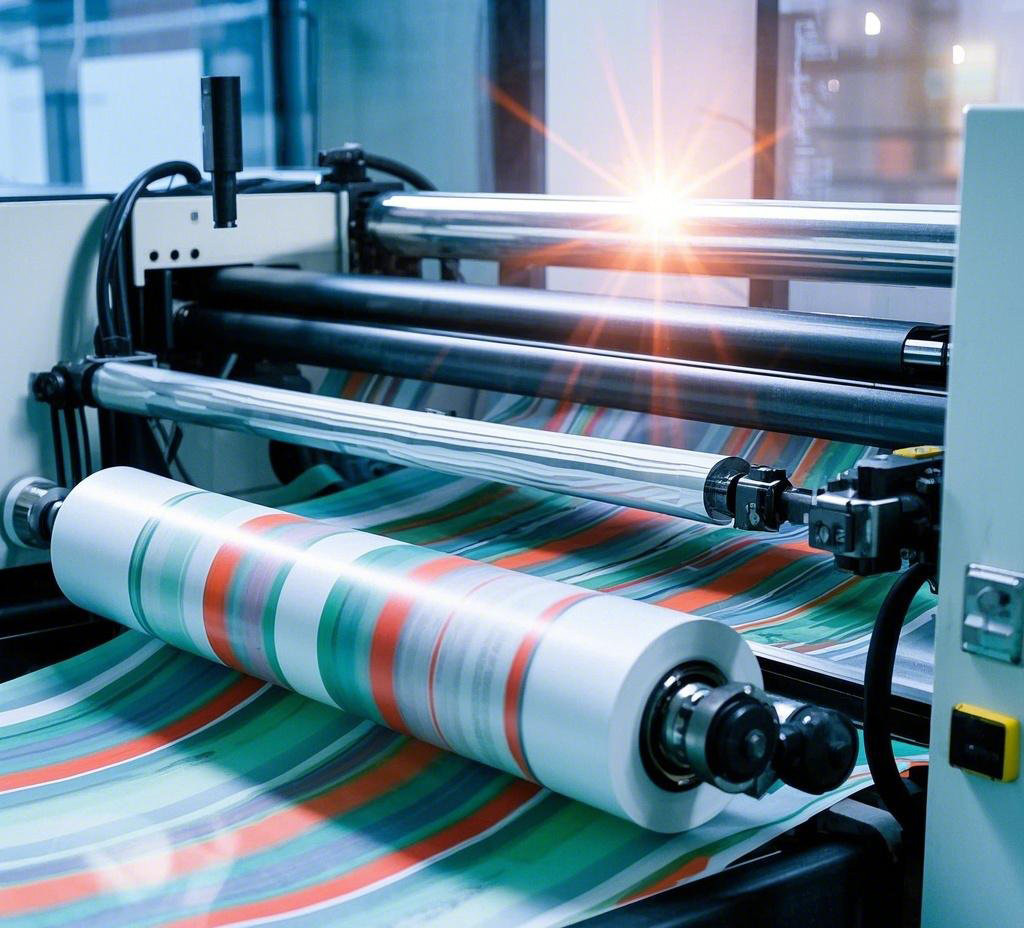
Rotogravure (often called rotary gravure) is a subset of gravure printing that uses cylindrical printing plates (rotating drums) for high-speed, high-volume production. Key features:
- Plate Type: Cylindrical (rotary) plates.
- Process: Continuous web-fed printing.
- Use Cases: Mass-produced packaging, magazines, wallpaper, and flexible films.

2. Key Differences Between Gravure and Rotogravure
| Aspect | Gravure | Rotogravure |
|---|---|---|
| Plate Shape | Flat or cylindrical | Exclusively cylindrical |
| Production Speed | Slower (short runs) | Very fast (200–900 m/min) |
| Volume Efficiency | Suitable for small batches | Optimized for large-scale runs |
| Setup Cost | Lower plate costs | High initial cylinder engraving costs |
| Applications | Art prints, specialty packaging | Magazines, product labels, films |
3. Technical Process Comparison
Gravure Printing Process
- Plate Preparation: A flat or cylindrical plate is etched with cells (chemically or mechanically).
- Inking: Ink fills the recessed cells; a doctor blade removes excess ink.
- Printing: The plate presses against the substrate (paper, plastic), transferring ink.
Rotogravure Printing Process
- Cylinder Engraving: Copper-plated steel cylinders are laser- or diamond-etched.
- Web Feeding: Substrate (e.g., film, paper) is fed continuously through rollers.
- High-Speed Transfer: Cylinders rotate, transferring ink to the substrate at high speeds.
4. Strengths and Limitations
Gravure Printing
- Pros:
- Superior image quality (sharp details, rich colors).
- Versatile for diverse materials (textured paper, foil).
- Cons:
- Slow production speeds.
- High costs for plate changes (impractical for short runs).
Rotogravure Printing
- Pros:
- Unmatched speed and consistency for long runs.
- Excellent for metallic inks and laminates.
- Cons:
- High upfront costs (engraving cylinders).
- Limited flexibility for small batches.
5. Industry Applications
Gravure Printing Uses
- Art Reproduction: Museum-quality prints and limited editions.
- Security Printing: Banknotes, certificates (due to anti-counterfeit precision).
- Luxury Packaging: High-end cosmetics, wine labels.
Rotogravure Printing Uses
- Mass-Market Packaging: Chip bags, candy wrappers, shrink sleeves.
- Publishing: Catalogues, newspaper inserts.
- Decorative Films: Furniture laminates, automotive interiors.
6. Choosing Between Gravure and Rotogravure
| Scenario | Recommended Method |
|---|---|
| Short-run, high-detail art | Gravure (flatbed) |
| Millions of product labels | Rotogravure |
| Metallic ink on flexible film | Rotogravure |
| Custom luxury packaging | Gravure (cylindrical) |
 StarColor Printing Ink
Leave a comment