
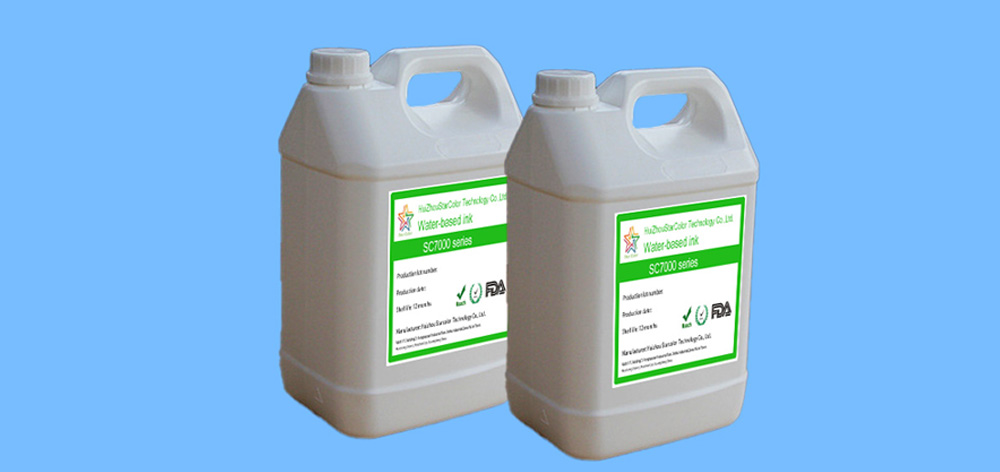
Water-Based Ink
Water-based ink is primarily composed of water, pigments or dyes, resin binders, and a small amount of eco-friendly additives. It boasts excellent environmental properties, dries rapidly, which helps improve printing efficiency while maintaining vivid colors and clarity in printed materials. Additionally, it is easy to clean, causing minimal pollution to printing equipment and the environment.
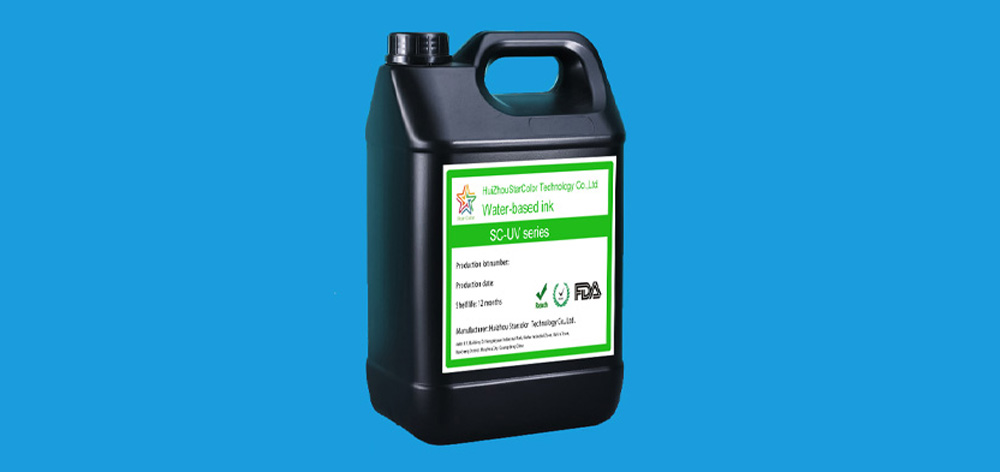
UV Ink
UV ink is mainly composed of resin, pigment or dye, photoinitiator, and other specialized additives, and has excellent environmental friendliness. It can quickly cure under ultraviolet irradiation, significantly improving printing efficiency. UV ink has bright colors and high clarity. It is also easy to clean, thereby reducing pollution to printing equipment and the surrounding environment.
-
How to measure printing ink viscosity?
Accurate viscosity measurement is a cornerstone of the printing process, ensuring consistent ink performance, high-quality output, and efficient operation. For professional printers and ink manufacturers, understanding how to measure ink viscosity and the tools required is essential to maintaining control over the printing workflow. Why Measure Ink Viscosity? Viscosity, a fluid’s resistance to flow, is…
-
Water-based printing ink viscosity standards
In the realm of printing, water-based inks have become a preferred choice due to their eco-friendliness, safety, and excellent performance on a variety of substrates. However, maintaining the correct viscosity is critical to achieving high-quality prints and smooth production processes. Understanding viscosity standards for water-based inks is essential for printers, formulators, and operators alike to…
-
How to Choose the Best UV Flexo Inks?
As the packaging industry continues to evolve, brands are increasingly seeking high-quality, sustainable, and efficient printing solutions to enhance their products’ shelf appeal. UV flexographic (UV flexo) inks have become a popular choice for flexible packaging, labels, and various other substrates, thanks to their fast curing, vivid colors, and environmentally friendly properties. However, selecting the…
-
How to Reduce Curing Time for UV Flexo Inks
In the world of printing, especially in the flexible packaging industry, time is money. Reducing production time while maintaining print quality is a constant goal for manufacturers. One critical factor in this process is the curing time of UV flexographic (UV flexo) inks. UV curing is a chemical process that converts liquid inks into a…
-
Degradation analysis of pigments in water-based inks
In the modern printing industry, water-based inks have gradually replaced traditional solvent-based inks due to their environmental friendliness, becoming the mainstream choice for packaging, publishing, and advertising printing. Water-based inks use water as a solvent, reducing emissions of volatile organic compounds (VOCs). However, the components of water-based inks not only include resins, additives, and water…
-
EU water-based ink regulations
In the European Union (EU), water-based inks used as part of food contact materials must adhere to a series of stringent regulations and standards to ensure their safety for food. These regulations primarily fall within the EU’s framework for Food Contact Materials (FCM) regulations, encompassing both general and specific material-oriented provisions. Key Requirements: Key Requirements:…
-
Key Considerations for Water-Based Ink in Milk Packaging Printing
With the heightened awareness of environmental protection, water-based inks have gradually replaced traditional solvent-based inks as the widely used printing material for food packaging, especially milk packaging. Water-based inks are not only environmentally friendly but also meet the high standards of food packaging. However, when using water-based inks on milk packaging, several key considerations are…
-
Classification explanation of pigments in water-based inks
Classification and Explanation of Pigments in Water-based Inks Water-based ink is an environmentally friendly printing material, with its core advantage lying in low volatile organic compound (VOC) emissions and reduced environmental pollution. However, to ensure the performance of water-based inks in various printing applications, the selection of pigments is crucial. Pigments are the key components…
-
UV protection of water-based ink, long-lasting and bright colors
Water-based Ink UV Protection Technology: Solutions for Ensuring Long-lasting Vibrant Colors With the heightened awareness of environmental protection, water-based inks have gradually become the mainstream choice in the printing industry due to their low VOC (Volatile Organic Compounds) emissions and environmental safety. However, prolonged exposure to ultraviolet (UV) radiation in outdoor environments can lead to…
-
Analysis of UV Resistance and Influencing Factors of Water-based Inks
With the prevalence of green environmental protection concepts and increasingly stringent environmental regulations, water-based inks are gradually becoming the mainstream choice in the printing industry due to their low volatile organic compound (VOC) emissions and environmentally friendly and safe characteristics. However, in outdoor application scenarios, the UV resistance (i.e., UV durability) of water-based inks often…
-
The impact of pH value of UV flexographic ink on environmental protection
The Impact of pH Value of UV Flexographic Inks on Environmentally Friendly Printing With increasingly stringent environmental regulations, particularly in the printing industry, environmentally friendly printing technologies and materials have become the focus of attention within the sector. In this process, UV flexographic printing, as an efficient and low-pollution printing method, is gradually being widely…
-
Can flexographic water-based ink achieve high-speed printing
Flexographic Water-Based Ink: Achieving High-Speed Printing? With the continuous development of printing technology, flexographic printing has gradually become a common printing method in the packaging industry, especially in the fields of labels, cartons, flexible packaging, and more. Water-based inks, as an environmentally friendly and healthy option, have gained widespread application in the market. New requirements…
Subscribe
Enter your email below to receive updates.
 StarColor Printing Ink