
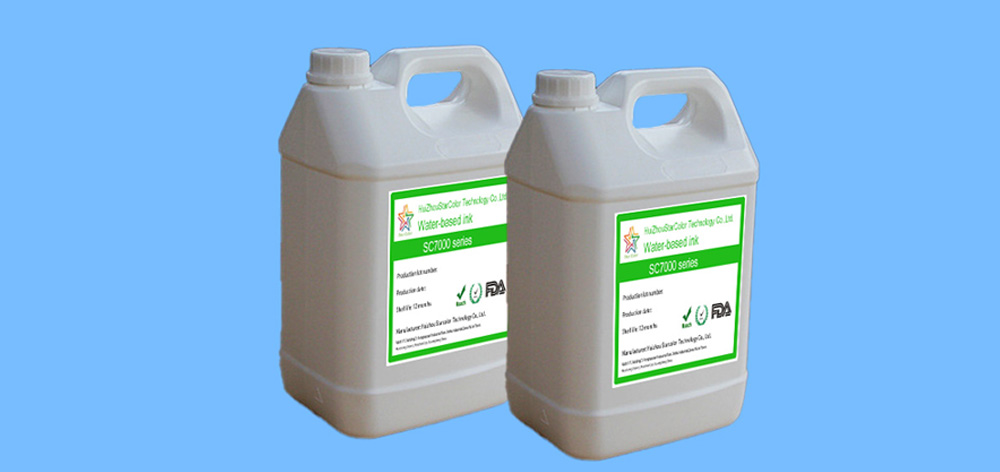
Water-Based Ink
Water-based ink is primarily composed of water, pigments or dyes, resin binders, and a small amount of eco-friendly additives. It boasts excellent environmental properties, dries rapidly, which helps improve printing efficiency while maintaining vivid colors and clarity in printed materials. Additionally, it is easy to clean, causing minimal pollution to printing equipment and the environment.
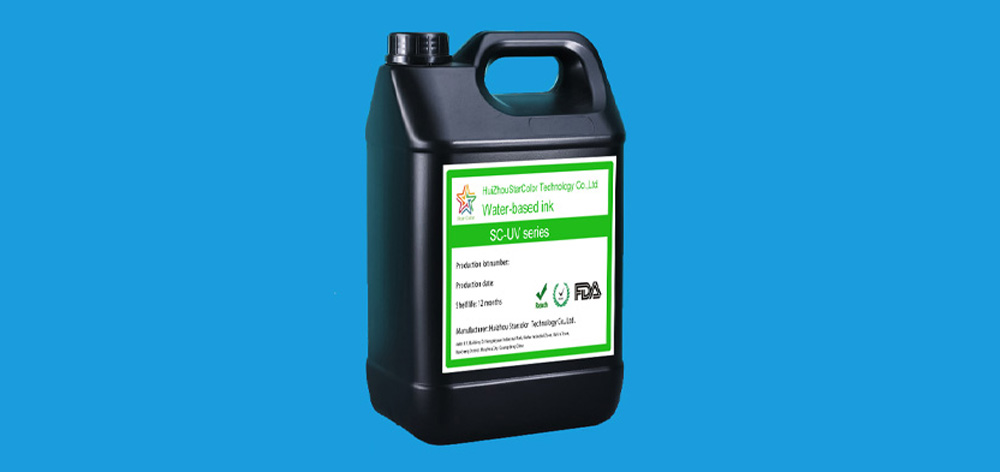
UV Ink
UV ink is mainly composed of resin, pigment or dye, photoinitiator, and other specialized additives, and has excellent environmental friendliness. It can quickly cure under ultraviolet irradiation, significantly improving printing efficiency. UV ink has bright colors and high clarity. It is also easy to clean, thereby reducing pollution to printing equipment and the surrounding environment.
-
2024 India Printing Ink Market Analysis
As a core material in the printing industry, the demand and technological innovation of printing inks directly reflect the upgrading trajectory of India’s printing sector. In 2024, the Indian printing ink market will showcase three major trends: environmental sustainability, functional diversification, and localization. Below is a detailed analysis: 1. Market Size and Structure 2. Key Growth…
-
In-Depth Analysis of the Brazilian Printing Market
Introduction: The Latin American Printing Powerhouse As the largest economy in Latin America, Brazil’s printing market is undergoing structural transformation and rapid growth. According to Grand View Research, the Brazilian custom printing market reached $9.455 billion in 2023 and is projected to exceed $16.287 billion by 2030, with a compound annual growth rate (CAGR) of…
-
Challenges facing the gravure printing industry
I. Industry Overview & Challenge Landscape According to the 2024 Global Printing Industry Competitiveness Report, gravure printing’s share of the packaging market has declined from 58% in 2015 to 42% in 2023, with a compound annual growth rate (CAGR) of just 1.3%. The industry faces multiple structural challenges: escalating compliance costs due to stricter environmental policies,…
-
How to Improve Gravure Printing Quality
I. Optimization of Plate-making Process: Control of Cell Engraving Precision II. Solutions for Improving the Adaptability of the Ink System III. Core Control Points in the Printing Process IV. Application of Intelligent Detection Systems V. Optimization of Environmental Protection and Energy Consumption Conclusion: Improving the quality of gravure printing requires the establishment of a full-chain…
-
Common Issues in Flexo UV Ink Printing on Nonwoven Fabrics and Solutions
Flexographic printing combined with UV ink technology is widely favored for nonwoven fabric printing due to its efficiency, environmental benefits, and adaptability. However, challenges often arise due to the unique structure of nonwoven materials and the curing characteristics of UV inks. This article provides a detailed analysis of common issues and practical solutions for flexo…
-
Can Digital Printing Use Water-Based Ink?
As environmental concerns continue to rise and printing technology advances, water-based ink is gradually making its way into the digital inkjet printing industry. However, many people still wonder: Can digital printing actually use water-based ink? 1. What is Water-Based Ink? Water-based ink primarily uses water as a solvent. Compared to traditional solvent-based inks, its biggest…
-
Detailed Comparison Between Water-Based Inks and UV Inks
Water-based inks and UV inks are two common types of printing inks, with significant differences in composition, drying methods, environmental friendliness, applications, and more. Below is a detailed comparative analysis: 1. Composition and Drying Mechanism Property Water-Based Inks UV Inks Main Solvent Water (10%-30% content) Solvent-free; contains reactive monomers and oligomers Curing Method Water evaporation…
-
Low Migration Inks for Food Packaging
I. Introduction: Technology Advancements Driven by Food Safety With the rapid growth of the global food industry, the safety of food packaging materials has become a major concern for both consumers and regulatory bodies. Statistics indicate that more than 3,000 food safety incidents related to packaging material migration occur annually worldwide, affecting beverages, dairy products,…
-
Technical difficulties of water-based ink in gravure printing
As a mainstream process in packaging printing, gravure printing has long relied on solvent-based ink systems. With increasingly stringent global environmental regulations, the replacement process of water-based inks is accelerating. This paper deeply analyzes the key technical bottlenecks in the application of water-based inks in gravure printing and explores solutions and development directions. 1. Fluid…
-
Comprehensive Comparison of Water-Based Ink vs. Solvent-Based Ink
In the wave of green transformation in the printing industry, the technological competition and market rivalry between water-based ink and solvent-based ink represent the core contradictions driving sectoral change. These two ink systems exhibit significant differences in chemical composition, performance, environmental impact, and economic efficiency, collectively forming the critical paradox of green transition in printing.…
-
7 Technical Challenges and Breakthrough Solutions for Water-Based Ink Printing on PET Films
I. Adhesion Failure (Cross-Cut Test <3B) Failure Mechanism:Mismatch between PET surface energy (38–42mN/m) and water-based ink surface energy (45–50mN/m) leads to contact angle >65°. Solutions: II. Low Drying Efficiency (Energy Consumption >1.8kW·h/kg) Issue Analysis:Latent heat of evaporation for water-based systems (2257kJ/kg) is 2.3× higher than solvent-based inks. Efficiency Improvement: Technology Parameters Energy Saving Infrared-hot air…
-
Technical Analysis of Water – Based Inks for Nonwoven Printing
I. Printing Challenges and Market Demands for Nonwoven Substrates Against the backdrop of the global nonwoven market being projected to reach a value of $58 billion by 2025 (data from Grand View Research), the medical and hygiene products sector commands more than 45% of the market share (China Industry Information Network). This rapid growth brings…
Subscribe
Enter your email below to receive updates.
 StarColor Printing Ink